News Centre
News Type
Send your inquiry
Supply Chain Disruption Impact on Engineering Plastics Q2 2026: Logistics Analysis and Risk Mitigation
Analysis of supply chain disruptions affecting engineering plastics in Q2 2026. Covers Red Sea shipping crisis, raw material shortages, logistics cost trends, and risk mitigation strategies for procurement professionals.
Introduction
Q2 2026 has seen continued supply chain volatility for engineering plastics. While some segments have normalized, new disruptions have emerged. This analysis covers the current situation and strategies for procurement professionals to manage risk.
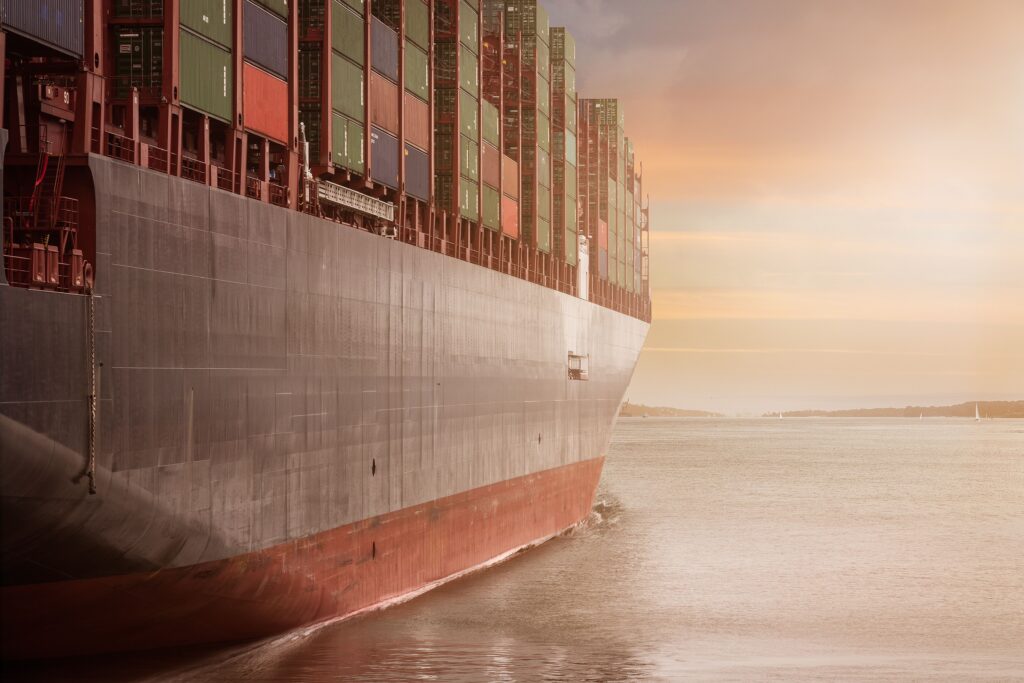
Red Sea Shipping Crisis: Impact on Plastics Logistics
Red Sea shipping disruptions (Houthi attacks on commercial vessels) have forced rerouting around Africa (Cape of Good Hope), adding 10-14 days to Asia-Europe shipping and increasing freight costs by 15-25%. For European engineering plastics buyers, this has extended lead times and increased inventory carrying costs.
Raw Material Shortages: ADN, Caprolactam, and Bisphenol A
Key raw material constraints: (1) ADN (adiponitrile) for PA66: Tight supply due to Force Majeure at a major European producer; (2) Caprolactam for PA6: Stable, with new capacity in China; (3) Bisphenol A for PC: Adequate supply but price volatility from upstream benzene fluctuations; (4) KF polymer (PEEK resin): Allocation policies continue at Victrex and Solvay.
Logistics Cost Trends: Ocean Freight, Air Freight, and Rail
Ocean freight: Asia-Europe rates up 18% vs Q1 2026. Asia-North America rates stable. Air freight: Rates moderated 12% from Q1 peak but remain 40% above pre-2024 levels. China-Europe rail (New International Land-Sea Trade Corridor): Capacity constraints, 3-4 week booking lead time.
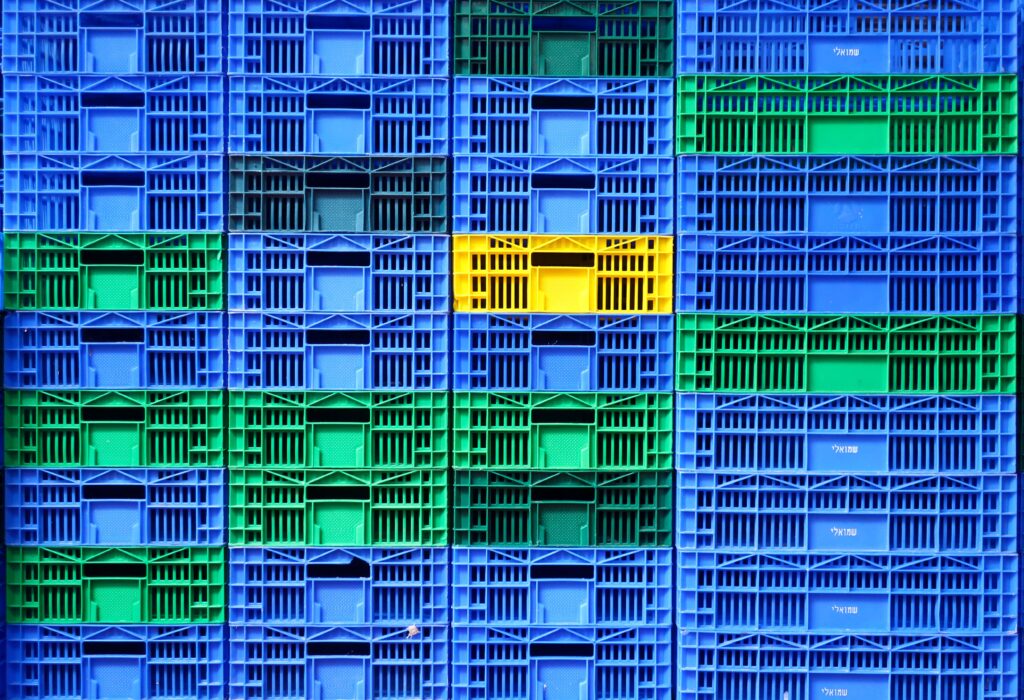
Regional Supply Chain Resilience Strategies
Regional resilience strategies: (1) Dual-source critical materials from different regions; (2) Maintain 8-12 week strategic inventory for critical items; (3) Consider near-shoring for high-value, time-sensitive components; (4) Use consignment inventory agreements with key suppliers.
Inventory Management in Volatile Supply Environments
Inventory management in volatile environments: (1) Shift from just-in-time to just-in-case for critical materials; (2) Use phased procurement—lock prices but stagger deliveries; (3) Implement VMI (vendor-managed inventory) for high-volume standard materials; (4) Monitor supplier financial health as indicator of supply risk.
Conclusion: Building Supply Chain Resilience
Supply chain resilience is now a competitive differentiator. Companies with diversified supply bases, strategic inventory, and strong supplier partnerships are outperforming those that optimized solely for cost. NAGOMER‘s vertically integrated production and multi-location inventory provide customers with reliable supply even during disruptions.
Contact NAGOMER today for a free sample and technical datasheet.