
News Centre
News Type
Send your inquiry
PTFE Seals and Components for Oil & Gas Downhole Applications: Performance Under Extreme Conditions
The Extreme Environment of Downhole Oil & Gas
Downhole oil and gas environments are among the most aggressive on Earth. Temperatures can exceed 200C (400F) in deep wells and geothermal applications. Pressures reach 140 MPa (20,000 psi) and beyond. Chemical exposure includes hydrogen sulfide (H2S, sour gas), carbon dioxide, chlorides, drilling muds, completion fluids, and stimulation acids.
In this environment, seal failure is not an inconvenience; it is a safety and environmental incident that can cost millions of dollars and cause catastrophic damage. The materials used to seal downhole tools, valves, and piping systems must perform reliably for years under conditions that would destroy most materials in hours.
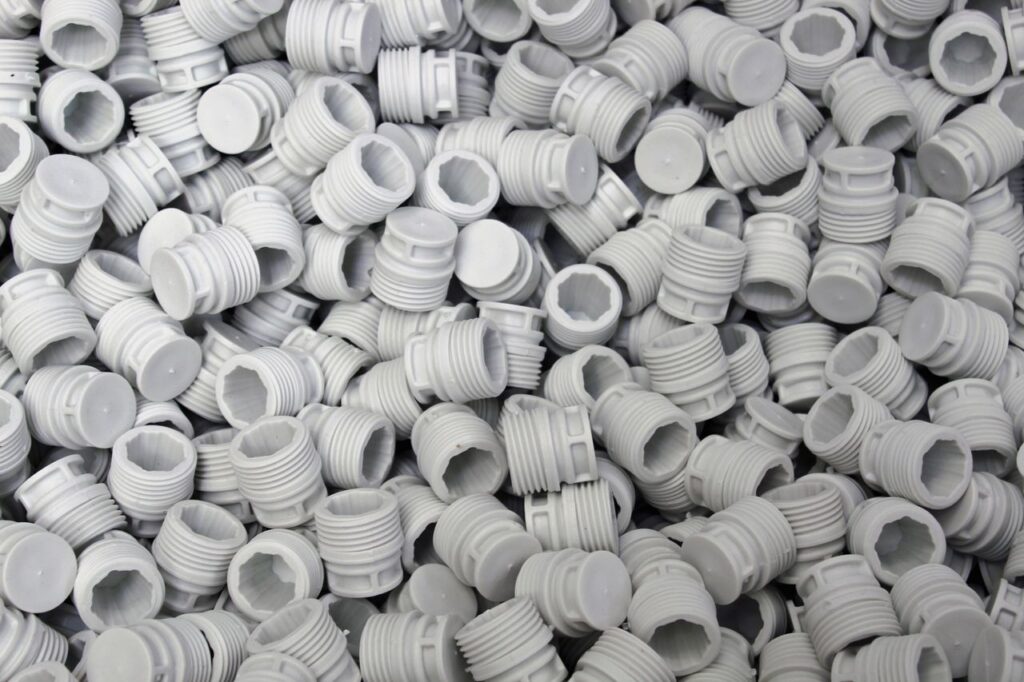
PTFE (polytetrafluoroethylene), best known by the brand name Teflon, has proven to be one of the most capable materials for downhole sealing applications. Its near-universal chemical resistance, wide temperature range, and low friction properties make it uniquely suited for this extreme environment.
PTFE Properties Critical for Downhole Performance
PTFE possesses several properties that are critical for downhole applications:
Near-universal chemical resistance: PTFE is essentially inert to all oilfield chemicals including H2S, CO2, HCl, HF, completion fluids, stimulation acids, and produced hydrocarbons. No other polymer approaches this level of chemical resistance.
Wide temperature range: PTFE maintains its properties from -200C to +260C (-328F to +500F). This covers the full range of downhole conditions from Arctic operations to deep geothermal wells.
Lowest coefficient of friction: PTFE has the lowest coefficient of friction of any solid material (0.05-0.10 dynamic), reducing stick-slip behavior in dynamic sealing applications.
Excellent electrical insulation: Important for downhole instrumentation and logging tools.
However, pure (unfilled) PTFE has limitations: it cold-flows (creeps) under load, has relatively low wear resistance, and exhibits high thermal expansion. These limitations are addressed through the use of filled PTFE compounds.
Filled PTFE Grades for Enhanced Performance
Various fillers modify PTFE properties for specific applications:
Glass fiber filled (15-25%): Increases compressive strength and reduces cold flow by 40-50%. Improves wear resistance by 100-1,000x vs unfilled PTFE. Most commonly used for general-purpose seal applications.
Carbon/graphite filled (15-25%): Provides the best wear resistance and thermal conductivity. Suitable for dynamic seals in abrasive environments. Good chemical resistance for most applications.
Bronze filled (40-60%): Highest compressive strength and thermal conductivity. Excellent for high-load static applications. Not suitable for chemical environments involving acids.
Carbon fiber filled (10-15%): Excellent combination of wear resistance, compressive strength, and chemical resistance. Premium choice for critical applications.
NAGOMER‘s PTFE products include standard grades and several filled compounds engineered for demanding industrial applications.
Seal Design for PTFE Components
Successful PTFE seal design requires understanding the material’s unique behavior:
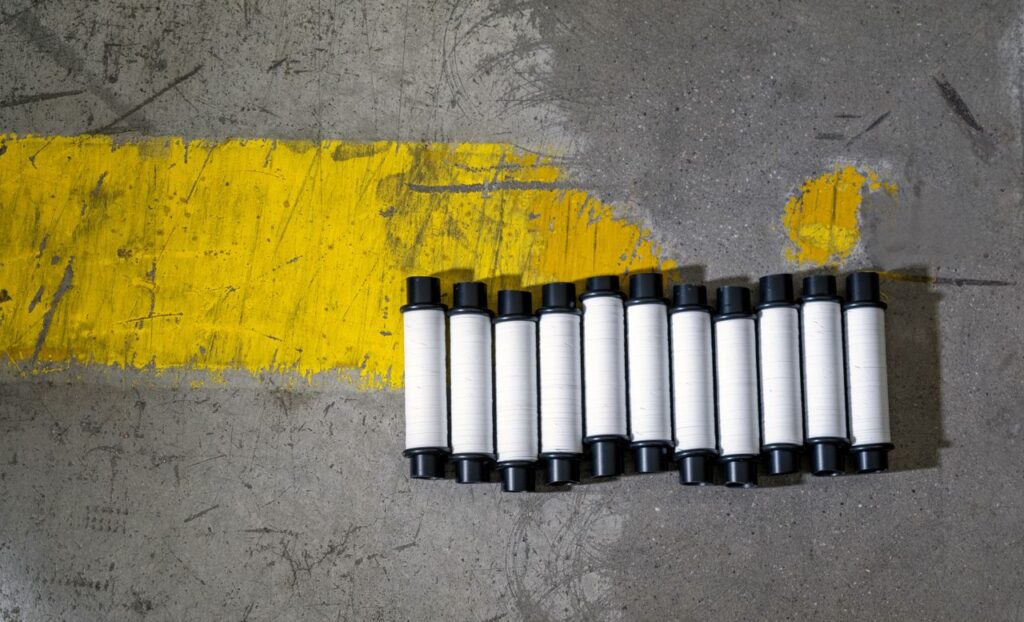
Spring-energized seals: A metal spring (typically stainless steel or Elgiloy) provides the energizing force that keeps the PTFE seal lip in contact with the sealing surface, compensating for PTFE‘s tendency to cold flow and relax over time. This is the most common configuration for critical downhole seals.
Backup rings: PTFE backup rings prevent extrusion of softer elastomeric seals (O-rings) in high-pressure applications. The PTFE material bridges the extrusion gap while maintaining chemical compatibility.
Lip seals and V-rings: Multiple PTFE V-ring stacks share the pressure differential across several elements, allowing each to seal a manageable pressure drop. This configuration handles both high pressure and shaft misalignment.
Design considerations include gland dimensions that account for PTFE‘s high thermal expansion, surface finish requirements for sealing surfaces (typically 0.2-0.4 um Ra), and hardware material compatibility (avoiding galling with stainless steel).
Qualification and Testing for Oilfield Applications
Oil and gas applications require rigorous material qualification:
API 6A and API 6D: These specifications govern wellhead and pipeline valve equipment, including material requirements for non-metallic sealing components.
NORSOK M-710: The Norwegian standard for qualification of non-metallic sealing materials in oil and gas applications, widely referenced globally. Includes testing for rapid gas decompression (RGD) resistance.
ISO 23936: International standard for non-metallic materials in oil and gas production, including elastomers and thermoplastics.
NAGOMER provides material certification and can support customer qualification programs for oilfield applications. Our quality management system ensures consistent material properties lot-to-lot.
NAGOMER supplies PTFE sheets, rods, and tubes for oil and gas applications. Visit nagomer.com for material specifications and technical support.