
News Centre
News Type
Send your inquiry
PEEK CMP Retaining Ring: Wafer Processing Guide
How a PEEK CMP Retaining Ring Holds the Wafer
Chemical mechanical polishing, or CMP, is one of the most demanding steps in semiconductor manufacturing. A wafer spins against a polishing pad while slurry removes material layer by layer. Around the wafer, a retaining ring keeps it centered under the polishing head. PEEK CMP retaining ring components dominate this role because they survive abrasive slurry, reactive chemicals, and constant wear without contaminating the wafer.
In addition, ring life also depends on the polishing pad condition. A worn pad changes the load on the retaining ring. Therefore, consumables should be replaced according to the tool’s schedule. Moreover, coordinated maintenance protects wafer quality.
The ring must do several jobs at once. It transfers downforce to the pad edge, contains the wafer laterally, and wears at a controlled rate so the pad stays flat. If the ring wears unevenly, the wafer edge polishes differently from the center. Therefore, material consistency and machining precision are as important as chemical resistance. PEEK delivers the stiffness, low particle generation, and stable wear that CMP engineers need.
Why PEEK Beats Alternatives in CMP Service
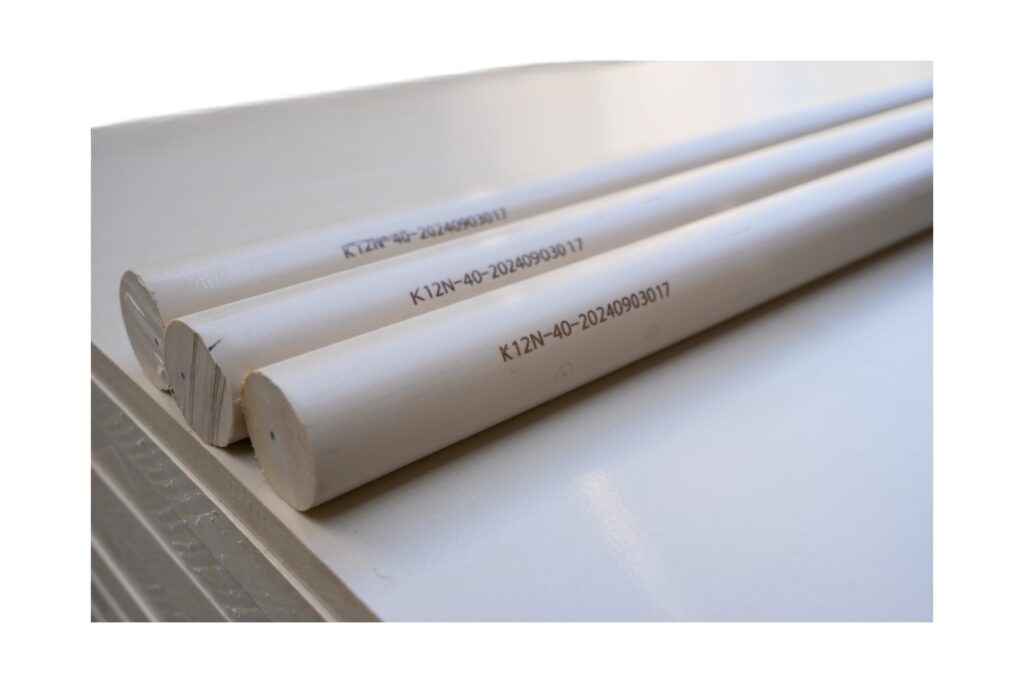
Slurry is a suspension of abrasive particles in an aggressive chemical bath. Many plastics erode quickly in that environment. PEEK, however, resists both the abrasion and the pH extremes found in typical slurries. Its wear rate is far lower than POM or nylon, so a PEEK CMP retaining ring keeps its critical dimensions across thousands of wafers. In addition, PEEK does not absorb slurry, which prevents swelling that would change ring geometry.
Furthermore, the slurry flow rate affects ring erosion. High flow accelerates wear at the ring’s inner edge. As a result, process engineers monitor both polishing quality and ring thickness. In fact, this data guides replacement timing.
Alternatives highlight the difference. Metal rings can scratch the wafer edge and generate metallic ions that poison the process. Filled plastics may shed fibers or particles. Meanwhile, PEEK produces minimal wear debris, and that debris is chemically benign. Furthermore, PEEK holds dimensional stability at the modest process temperatures of CMP, keeping the wafer pocket accurate for the life of the ring.
Machining Tolerances That Protect Wafer Yield
A CMP retaining ring is a precision part. The inner diameter, which contacts the wafer edge, must be machined to tight tolerance, often within a few microns of runout. The bottom face that rides on the pad must be flat and parallel. Therefore, ring blanks should come from stress-relieved PEEK stock that will not distort after machining. NAGOMER supplies PEEK plate and rings with documented flatness for this application.
For example, machinists should hold runout between the inner and outer diameters in one setup. In addition, technicians should compare ring faces against optical flats during production.
For example, some suppliers now offer rings with wear-indicating features. These marks let technicians measure remaining life quickly. Meanwhile, machined chamfers reduce stress on the wafer edge. Additionally, small design details add real yield value.
Machining technique matters as much as material. Thermal damage from dull tools creates localized stress that later warps the ring. In addition, the surface finish on the pad face influences how the ring wears and how the pad is conditioned. Many suppliers offer a small wear indicator step so maintenance teams know when to replace the ring. Precision CMP ring manufacturers treat every dimension as a yield lever.
Slurry Compatibility and Wear Life Data
CMP slurries range from acidic to alkaline and contain silica, ceria, or alumina abrasives. PEEK resists all common slurry chemistries, including the high-pH ceria slurries used for oxide polishing. In addition, the cleaning chemistries between polish steps do not attack the ring. This broad compatibility simplifies inventory because one PEEK grade serves multiple process steps on the same tool.
Moreover, slurry temperature and pH can drift during a long run. As a result, the ring material must tolerate a wider window than fresh-slurry testing suggests.
Wear life translates directly into cost. A longer-lasting retaining ring means fewer tool down-time events and less risk of a worn ring scratching a wafer. Field data typically shows PEEK rings surviving many times longer than POM rings under identical polishing conditions. Furthermore, predictable wear lets fab engineers schedule replacement during routine maintenance rather than after a failure. NAGOMER provides PEEK grades and machining support that help ring suppliers maximize service life.
Sourcing PEEK for CMP Ring Manufacturers
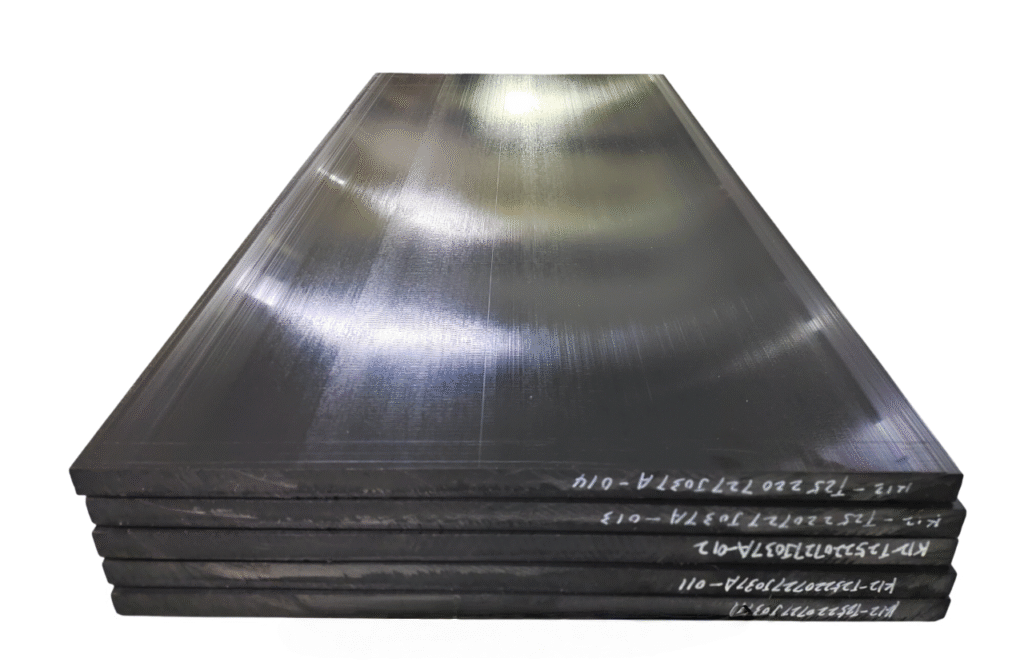
Semiconductor suppliers demand traceability. Ring fabricators should buy PEEK plate with lot documentation and consistent crystallinity, because both affect wear and dimensional stability. NAGOMER supplies virgin PEEK sheet and rod in semiconductor-grade natural material with documented mechanical and purity data. The company also machines ring blanks and finished rings to customer drawings.
Working with a single source simplifies qualification. NAGOMER Engineering Plastics, nagomer.com, supports CMP component manufacturers with certified PEEK stock, custom ring machining, and technical guidance on wear life testing. For new polishing processes, early collaboration on grade and geometry helps ring suppliers bring a qualified PEEK CMP retaining ring to market faster.
Supplying CMP consumables? NAGOMER offers semiconductor-grade PEEK CMP retaining ring blanks and finished machining. Email info@nagomer.com for purity data.