
News Centre
News Type
Send your inquiry
Medical Device Sterilization Compatibility Guide: PEEK, PEI, PPSU and More
The Sterilization Imperative in Medical Devices
Every medical device that contacts patients, directly or indirectly, must be sterilized before use. The sterilization method chosen has profound implications for material selection. A material that performs beautifully in service may fail catastrophically after repeated sterilization cycles if the wrong sterilization method is chosen.
Engineering plastics used in medical devices face a challenging combination of requirements: they must withstand the sterilization process without degradation, maintain their mechanical properties through the device’s service life, and remain biocompatible after sterilization. Getting this wrong is not an option; it’s a matter of patient safety and regulatory compliance.
This guide provides a comprehensive overview of the major sterilization methods and their compatibility with common medical-grade engineering plastics.
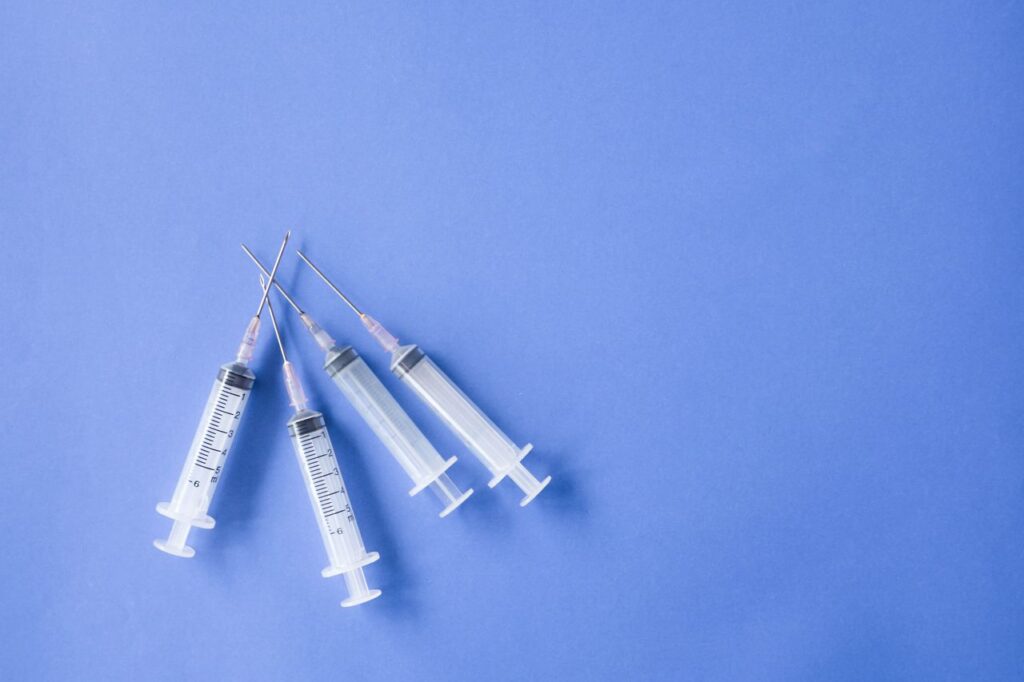
Autoclave (Steam) Sterilization
Autoclave sterilization uses saturated steam at 121C (250F) or 134C (273F) and is the most common sterilization method for reusable medical devices:
PEEK (NAGOMER K12N): Excellent autoclave compatibility. Withstands over 1,000 autoclave cycles at 134C with minimal degradation. The material’s hydrolysis resistance is exceptional, maintaining >90% of initial mechanical properties after 1,000 cycles.
PEI (NAGOMER I12N): Good autoclave compatibility up to 500 cycles at 134C. Some reduction in impact strength may occur over extended cycling. Suitable for most reusable surgical instruments.
PPSU (Polyphenylsulfone): Excellent autoclave compatibility, similar to PEEK. Widely used for surgical instrument handles and dental devices. NAGOMER can source PPSU upon request.
POM: Poor autoclave compatibility. POM hydrolyzes in hot water/steam, losing mechanical properties rapidly. NOT recommended for steam-sterilized devices.
PC: Marginal autoclave compatibility. Polycarbonate is susceptible to hydrolysis, particularly at 134C. Limited to low-temperature (121C) and low-cycle applications.
Gamma Radiation Sterilization
Gamma sterilization uses Cobalt-60 gamma radiation, typically at doses of 25-50 kGy:
PEEK: Excellent gamma resistance. Maintains mechanical properties with minimal discoloration at standard sterilization doses. PEEK‘s aromatic structure provides inherent radiation resistance.
PEI: Good gamma resistance. Some yellowing may occur but mechanical properties are largely maintained. Acceptable for most applications.
PPSU: Good gamma resistance with some discoloration.
POM: Poor gamma resistance. POM undergoes significant chain scission under gamma radiation, leading to severe embrittlement. NOT recommended for gamma sterilization.
PC: Marginal to poor. Polycarbonate yellows significantly and may lose impact strength. Stabilized grades offer some improvement.
The key advantage of gamma sterilization is its penetration: it can sterilize sealed packages and complex devices with internal cavities.
Ethylene Oxide (EtO) and Hydrogen Peroxide Plasma
Low-temperature sterilization methods for heat-sensitive materials:
EtO Sterilization: PEEK, PEI, PPSU, POM, and PC are all compatible with EtO sterilization at typical conditions (55C, 6-12 hours). The main concern is residual EtO, which requires adequate aeration time (typically 12-24 hours). PEEK and PEI are particularly well-suited due to low EtO absorption.
Hydrogen Peroxide Plasma (Sterrad): PEEK, PEI, and PPSU are compatible. POM has limited compatibility due to potential oxidation. PC should be evaluated carefully as it may craze under plasma exposure.
These methods are essential for heat-sensitive devices that cannot withstand autoclave temperatures, including many electronic medical devices, catheters, and single-use devices.
Material Selection Decision Framework
For reusable surgical instruments requiring maximum durability: PEEK + autoclave sterilization. PEEK‘s 1,000+ cycle capability and maintenance of mechanical properties make it the gold standard.
For single-use devices requiring cost efficiency: PEI or PPSU + gamma or EtO sterilization. These materials offer a good balance of properties and cost.
For devices requiring transparency: PPSU or PC + EtO or hydrogen peroxide plasma (avoid gamma which yellows transparent materials).
NAGOMER provides medical-grade engineering plastics with full biocompatibility documentation and material certification. Our materials meet USP Class VI and ISO 10993 requirements.
NAGOMER supplies medical-grade engineering plastics with full biocompatibility documentation. Visit nagomer.com for material selection support.