
News Centre
News Type
Send your inquiry
HDPE Sliding Wear: Comparing HDPE, UHMWPE, and Cast Nylon
Material Hierarchy in HDPE Sliding Wear
Bulk material handling creates abrasive wear. Aggregate, ore, coal, and grain flow across metal surfaces and cause rapid wear. Plastic liners extend equipment life in these conditions. HDPE sliding wear performance sets the baseline for these liner materials. UHMWPE improves on it, and cast nylon provides the premium option for severe service.
The wear resistance ranking follows the molecular structure. Higher molecular weight means longer polymer chains and more entanglement. This translates to better abrasion resistance. HDPE has a molecular weight around 200,000 to 500,000. UHMWPE reaches 3 to 6 million. Cast nylon uses a different polymer entirely, with crystalline structure that gives it higher load capacity. Each material has its place. NAGOMER supplies all three materials in sheet and rod stock for wear applications.
Furthermore, the cost hierarchy runs the same direction. HDPE costs the least per kilogram. UHMWPE costs two to three times more. Cast nylon costs three to four times more. The total cost of ownership considers both material cost and service life. In high-wear applications, the longer life of premium materials offsets the higher initial cost.
In low-wear applications, the material provides adequate service at the lowest cost. Therefore, the operating environment and expected service life drive the material selection for sliding wear applications. Furthermore, the supply chain availability of each material affects lead times for replacement parts. In addition, the recycling infrastructure for HDPE is well-established globally. Furthermore, the supply chain availability of each material affects lead times for replacement parts. In addition, the recycling infrastructure for HDPE is well-established globally.
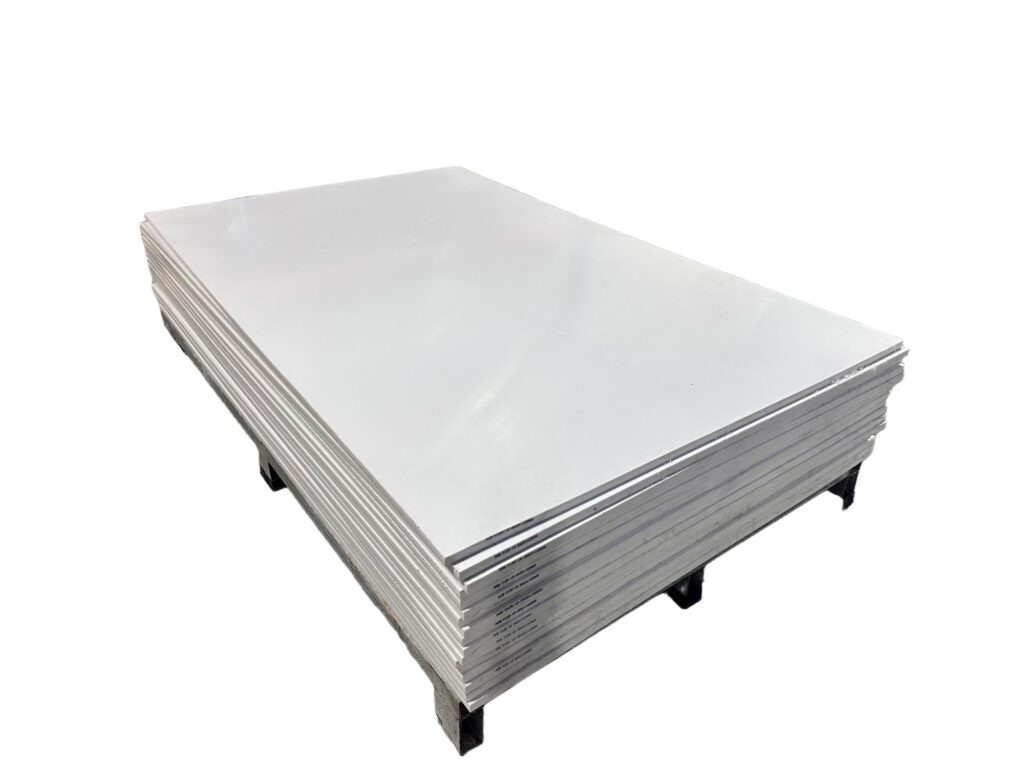
Friction Coefficient Comparison
The coefficient of friction drives the sliding wear behavior. HDPE against steel measures around 0.20 to 0.30. UHMWPE against steel measures 0.10 to 0.15. Cast nylon against steel measures 0.20 to 0.35. However, these static friction values tell only part of the story. The dynamic friction during sliding reveals the actual service performance.
In actual conveyor service, UHMWPE allows material to slide easily while protecting the metal from HDPE sliding wear damage. HDPE works but allows slower material flow. Cast nylon handles higher loads but generates more friction. For chute liners where material needs to flow, UHMWPE wins. For wear strips under loaded slides, cast nylon handles the pressure. Meanwhile, HDPE works for light-duty applications where cost dominates the decision. NAGOMER helps match the material to the specific sliding wear service.
In addition, surface moisture changes the friction behavior. Wet conditions reduce friction for all three materials. Oil and grease contamination also affects the friction values. For most applications of this type, dry running is the baseline. The static-to-dynamic friction ratio for HDPE approaches 1. 0, meaning minimal stick-slip.
UHMWPE shows even less stick-slip tendency. Therefore, the friction comparison guides initial material selection for sliding wear service in industrial material handling equipment. Additionally, the wear pattern at start-up differs from steady-state sliding conditions. In fact, the static friction at rest often exceeds the dynamic friction during sliding motion. Additionally, the wear pattern at start-up differs from steady-state sliding conditions. In fact, the static friction at rest often exceeds the dynamic friction during sliding motion.
Wear Rate Data in Real Service
Wear testing in laboratory conditions uses a sand slurry or Taber abrader. The results translate to service life with some calculation. HDPE sliding wear rates run 15 to 25 mg per thousand cycles in Taber testing. UHMWPE rates 5 to 10 mg. Cast nylon rates 8 to 15 mg. HDPE sliding wear differences look small on paper. In practice, they translate to two to four times longer service life for UHMWPE over HDPE in similar conditions.
Real service introduces other factors. Impact loading, chemical exposure, and temperature swings change the wear picture. In impact-heavy applications like truck bed liners, UHMWPE clearly outperforms HDPE. In chemically aggressive environments, the choice shifts. Cast nylon handles oils and fuels better than HDPE.
UHMWPE and HDPE both swell in hydrocarbon exposure. Furthermore, temperature limits differ. HDPE works to about 60 degrees Celsius. Cast nylon handles 100 degrees Celsius. UHMWPE handles 80 degrees Celsius. The specific application drives the final selection. Moreover, the specific wear mechanism in the application drives material selection beyond simple Taber data. In addition, the operating environment humidity affects the wear rate measurement.
Additionally, the surface finish of the mating metal affects wear. Rougher steel surfaces accelerate polymer wear. Polished or hardened steel extends polymer bearing life. In this type of service, the recommended shaft hardness runs HRC 50 or higher. Surface finish of 0.4 micrometers Ra or smoother reduces wear. In contrast, rough surfaces can triple the wear rate. Therefore, the metal surface condition matters as much as the polymer grade in sliding wear service. Moreover, the specific wear mechanism in the application drives material selection beyond simple Taber data. In addition, the operating environment humidity affects the wear rate measurement.
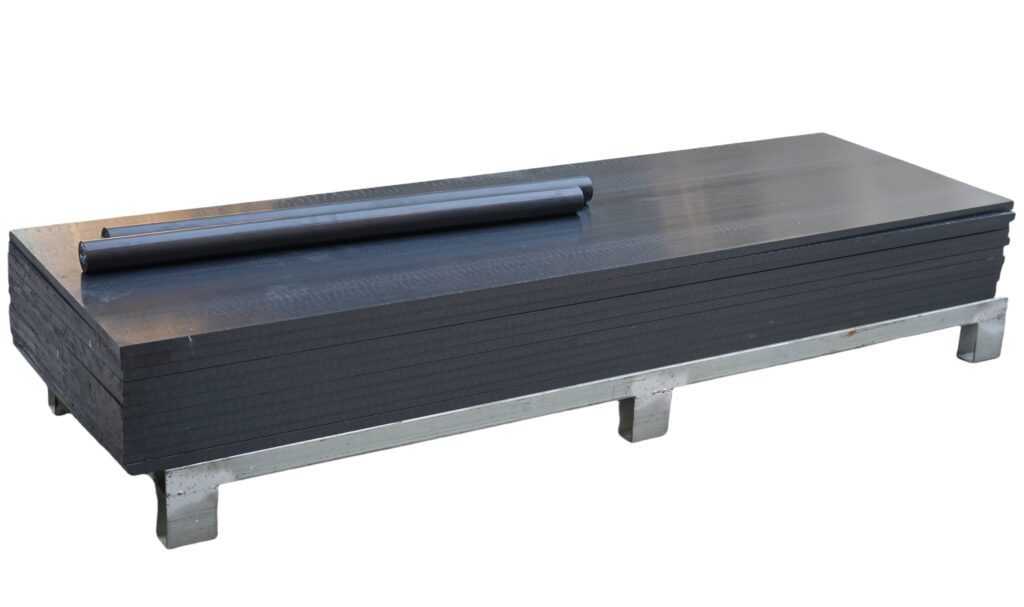
Common Industrial Applications
Conveyor skirt boards and wear strips use this material at 6 to 12 mm thickness. The material slides under loaded conveyor belts and protects the steel frame. In aggregate plants, HDPE liners survive two to three years before requiring replacement. UHMWPE extends this to five to seven years. Cast nylon reaches similar service life at higher cost.
Chute liners in mining use HDPE and UHMWPE at 10 to 20 mm thickness. The smooth surface prevents material buildup and reduces hang-ups. Truck bed liners use UHMWPE sheets bonded to the steel floor. The material handles the impact of loading rocks and aggregate. In grain handling, HDPE and UHMWPE line hoppers, spouts, and bucket elevators. The food-grade versions meet FDA requirements. NAGOMER supplies these materials in standard sizes and custom cut blanks for chute and conveyor fabricators. Furthermore, the cost of installation labor affects the total project economics. In contrast, the maintenance access for these liners determines the practical service interval.
Furthermore, the paper and pulp industry uses this material in chip handling and bark processing. The wet environment suits HDPE chemical resistance. Marine applications include dock fender facing and boat trailer bunks. The salt water resistance of HDPE supports these marine uses. Meanwhile, the recycling industry uses similar sheets in sorting station chutes and collection bins. As a result, these applications extend across many industries where material flow and impact protection matter. Furthermore, the cost of installation labor affects the total project economics. In contrast, the maintenance access for these liners determines the practical service interval.
Installation and Attachment Methods
These sheets attach to metal substrates with mechanical fasteners or adhesives. Mechanical fastening uses flat-head bolts countersunk into the plastic. The bolt head must sit flush or below the wear surface. Adhesive bonding works for permanent installations. Epoxy and polyurethane adhesives bond well to clean HDPE surfaces. Surface preparation with solvent wipe and light abrasion improves bond strength.
Welding HDPE sheets to each other extends liner coverage. Hot gas welding creates continuous seams. Extrusion welding repairs worn areas in field service. For modular installations, interlocking panels snap together and allow individual section replacement. This reduces maintenance time. NAGOMER provides HDPE sheet in standard thicknesses and supplies welding rod for field fabrication. NAGOMER works with plant engineers on installation method selection for sliding wear applications. Therefore, the maintenance crew training on polymer installation methods affects long-term performance. In addition, the documentation of installation methods helps prevent field failures.
Additionally, thermal expansion of HDPE must be allowed in the installation. A 10 meter HDPE sheet expands about 20 mm per 10 degrees Celsius temperature change. Without expansion gaps, the sheet buckles in summer heat. Therefore, slotted bolt holes and floating fasteners accommodate this movement. In addition, wear indicator marks on the sheet surface help maintenance crews track remaining service life. As a result, proper installation methods extend the service life of these liner systems in industrial applications. Therefore, the maintenance crew training on polymer installation methods affects long-term performance. In addition, the documentation of installation methods helps prevent field failures.
NAGOMER supplies HDPE, UHMWPE, and cast nylon sheet and rod stock for sliding wear applications. Contact info@nagomer.com for material selection guidance and custom cut blanks.