
News Centre
News Type
Send your inquiry
Engineering Plastics in New Energy Sector: EV and Battery Applications 2026
How engineering plastics like PEEK, PPS, and PA are transforming the new energy sector in 2026. From EV battery components to charging infrastructure, discover the materials driving the transition.
Introduction
The global new energy transition is accelerating in 2026, with over 18 million EVs expected to be sold this year. This transition is creating unprecedented demand for high-performance engineering plastics that can withstand harsh operating conditions.
The New Energy Transition and Material Demands
EVs and battery systems require materials that combine lightweight properties with high temperature resistance, chemical resistance, and dimensional stability. Engineering plastics deliver these properties while enabling cost-effective mass production.
PEEK in EV Powertrain and Battery Systems
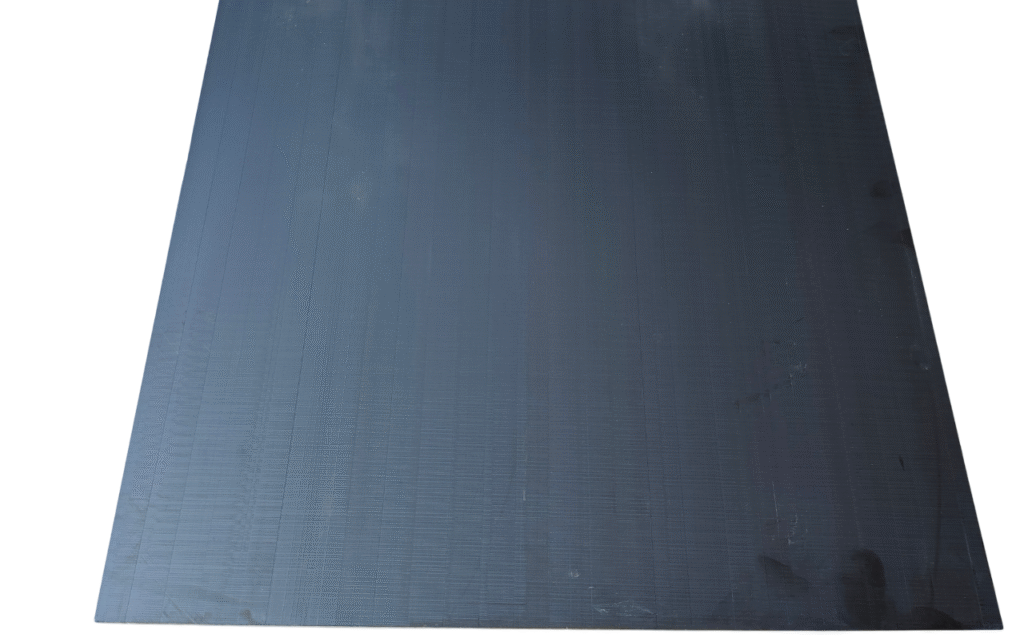
PEEK (polyetheretherketone) is increasingly used in EV powertrain components including insulation films, busbar holders, and sensor housings. With a continuous service temperature of 260°C and excellent chemical resistance, PEEK outperforms most thermoplastics in under-hood applications.
PPS for High-Temperature Battery Components
Polyphenylene sulfide (PPS) is the material of choice for battery cell contact systems, module housings, and cooling plate components. Its inherent flame resistance (UL94 V-0) and chemical resistance to electrolytes make it indispensable in battery pack design.
PA66 and PA6 in Charging Infrastructure
Nylon 66 and nylon 6 are widely used in charging connectors, cable insulation, and enclosure components. Heat-stabilized PA66 grades can withstand connector operating temperatures up to 150°C while maintaining excellent mechanical properties.
ESD Plastics in Battery Manufacturing
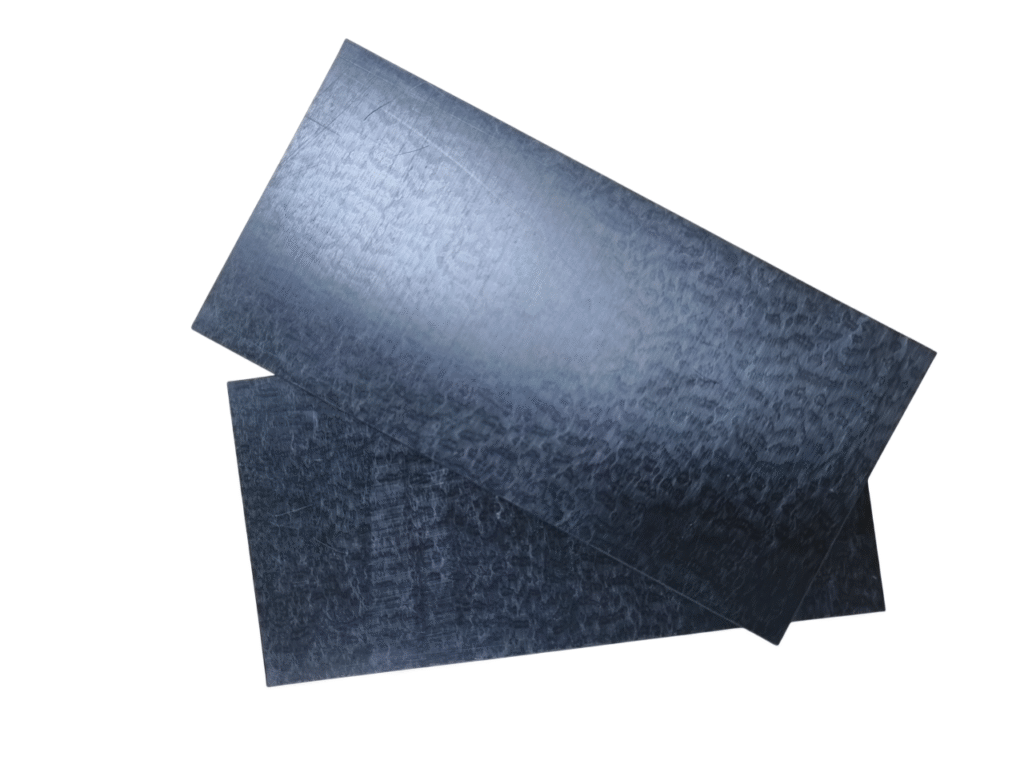
Battery manufacturing requires ESD-safe materials to prevent electrostatic discharge damage to sensitive cells. NAGOMER‘s full ESD product line (PEEK, PPS, POM, PA6, ABS) ensures safe handling throughout the battery production process.
Conclusion
The new energy sector represents one of the fastest-growing application areas for engineering plastics. As battery energy density increases and charging speeds rise, material requirements will continue to push the boundaries of what engineering plastics can achieve.
Contact NAGOMER today for a free sample and technical datasheet.