News Centre
News Type
Send your inquiry
Automotive Lightweighting with Engineering Plastics: Metal Replacement Trends in EV and Traditional Vehicles
How engineering plastics are enabling automotive lightweighting in 2026. Covers metal-to-plastic conversion, material selection for structural components, and case studies in EV and traditional vehicle applications.
Introduction
Automotive lightweighting has become a central design principle in 2026. For every 100kg of weight reduction, fuel consumption decreases by 0.3-0.5L/100km, and EV range increases by 6-8%. Engineering plastics are enabling this transition.
The Lightweighting Imperative in 2026
Metal-to-plastic conversion requires careful material selection. Key criteria include: (1) Continuous service temperature; (2) Creep resistance under sustained load; (3) Chemical resistance to automotive fluids; (4) Dimensional stability across temperature/humidity; (5) Cost-effectiveness versus metal.
POM: Precision Moving Parts Replacement
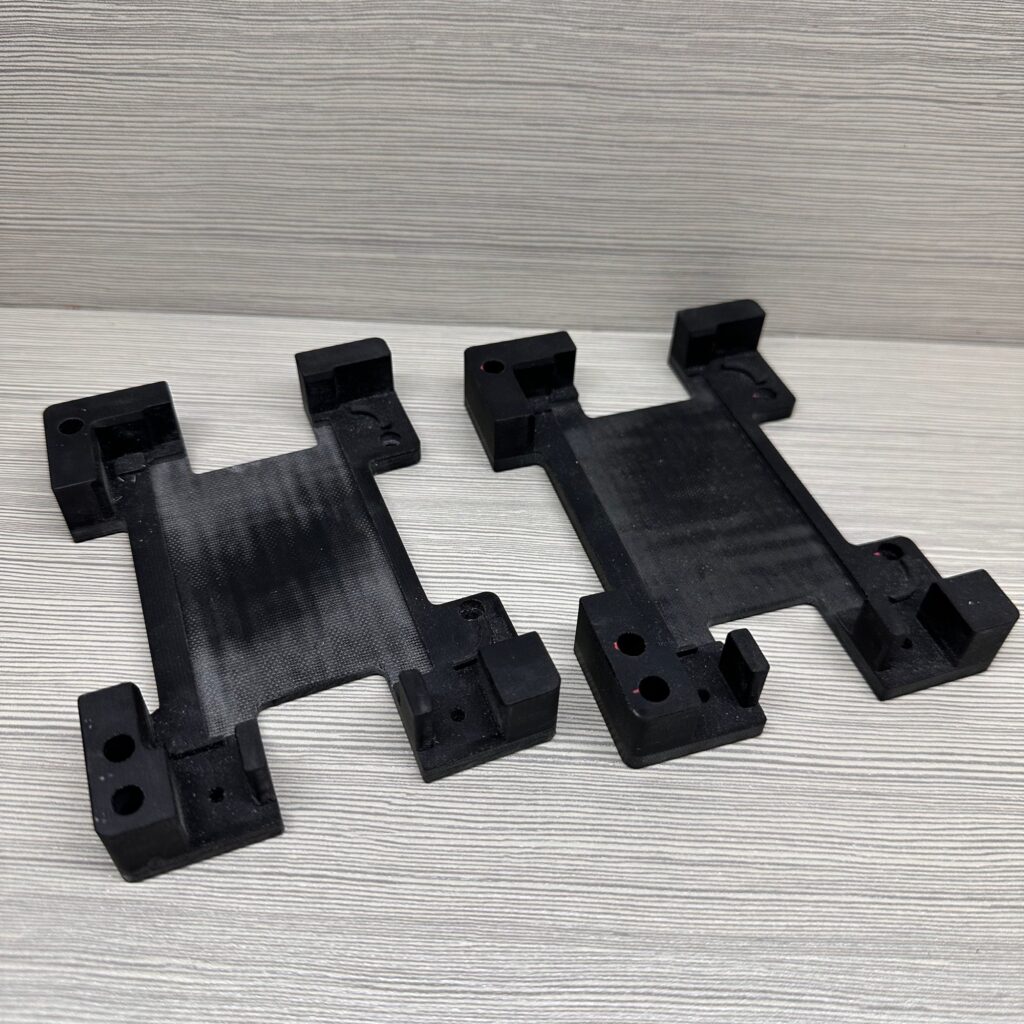
POM replaces brass, bronze, and zinc die-cast parts in applications including: door lock mechanisms, window regulator gears, seat adjustment mechanisms, and fuel system components. Weight savings: 30-50% versus metal, with equivalent or better wear life.
PA66 and PA6: Under-Hood and Structural Applications
PA66 (nylon 66) with 30-35% glass fiber reinforcement replaces cast aluminum and steel in intake manifolds, engine covers, and structural brackets. Heat-stabilized grades withstand operating temperatures up to 150°C continuously.
PPS and PEEK: High-Temperature Metal Replacement
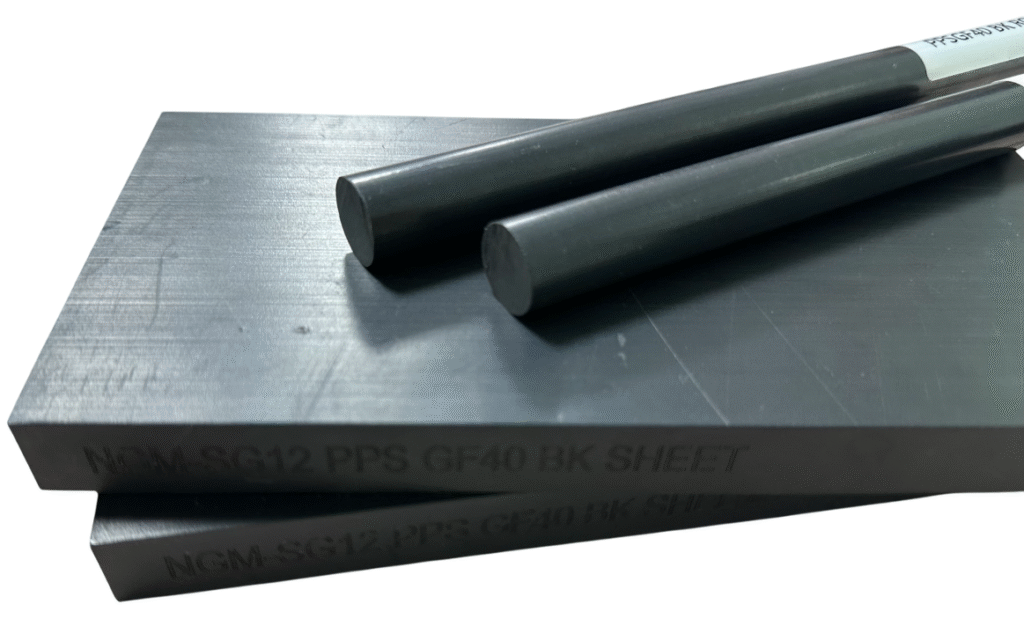
PPS and PEEK are used in the most demanding under-hood applications: (1) PPS: throttle body components, EGR valves, thermostat housings; (2) PEEK: transmission thrust washers, seal rings, bearing cages in high-temperature zones.
Case Study: EV Battery Component Conversion
A leading EV manufacturer converted a battery module mounting bracket from aluminum to A30% glass-filled PPS, achieving: (1) 45% weight reduction; (2) 30% cost reduction; (3) Improved corrosion resistance; (4) Reduced NVH (noise, vibration, harshness).
Conclusion
The trend toward increased plastic content in vehicles will continue as automakers chase efficiency targets. NAGOMER supplies automotive-grade engineering plastics with full traceability, PPAP documentation, and IATF 16949-compatible quality systems.
Contact NAGOMER today for a free sample and technical datasheet.