
News Centre
News Type
Send your inquiry
Autoclavable PEI: Reusable Medical Device Materials
Why Hospitals Push Plastics Through Steam
Reusable surgical instruments and device housings face a brutal routine. Autoclaves expose them to saturated steam at 121 to 134 degrees Celsius, often with vacuum pulses and chemical indicators. A material that survives hundreds of these cycles without warping, cracking, or losing strength becomes extremely valuable. Autoclavable PEI, sold under the ULTEM brand, handles that duty while staying light and transparent enough for many components.
Moreover, PEI trays weigh far less than stainless steel equivalents. This reduces handling strain for sterile processing staff. In addition, the material resists impact from dropped instruments. The practical benefits go beyond the autoclave itself.
Polyetherimide resists hydrolysis, which is the chemical reaction that slowly destroys many plastics in steam. In fact, its aromatic backbone keeps molecular weight stable through repeated sterilization. Furthermore, PEI holds its mechanical properties at the autoclave temperature, unlike standard polycarbonate or ABS that soften below the sterilization range. For reusable instruments, trays, and handles, autoclavable PEI has become a default engineering answer.
Autoclavable PEI Handles Steam, EtO, and Radiation
Hospitals sterilize by more than steam. Low-temperature methods use ethylene oxide gas, while high-throughput facilities rely on gamma or electron-beam radiation. PEI tolerates all of these routes. In addition, many devices are reprocessed with liquid chemical sterilants between uses. PEI resists common hospital disinfectants, including alcohols and quaternary ammonium compounds, without surface crazing.
The number of cycles matters in purchasing decisions. Some PEI grades demonstrate over 1,000 autoclave cycles in accelerated testing with limited loss of tensile strength. Therefore, a reusable device body molded or machined from PEI can serve for years instead of being discarded. For comparison, many lower-cost thermoplastics show visible crazing within tens of cycles. That difference drives the total cost of ownership calculation in sterile processing departments.
Therefore, OEMs often run autoclave trials on candidate grades before finalizing a design.
Regulatory Status: FDA, USP Class VI, and ISO 10993
Medical device OEMs need documented biocompatibility, not just good steam resistance. PEI grades intended for healthcare comply with USP Class VI and pass the ISO 10993 battery of tests for cytotoxicity, sensitization, and irritation. Moreover, PEI is available in FDA Drug Master File referenced grades. These clearances allow the material to contact skin, tissue, and blood for limited durations in reusable devices.
Documentation should come from the resin producer and be passed down the supply chain. When a machine shop cuts autoclavable PEI parts, it must confirm the lot comes from a healthcare-grade line with certificates. Furthermore, the finished component should be validated by the device maker under its own sterilization protocol. PEI‘s track record in FDA-cleared instruments gives design teams a head start in their own submission.
In addition, engineers should autoclave test coupons cut from the same lot beside finished parts. Furthermore, this verification catches processing problems before a device reaches the sterile field.
Machining PEI Parts That Survive Reprocessing
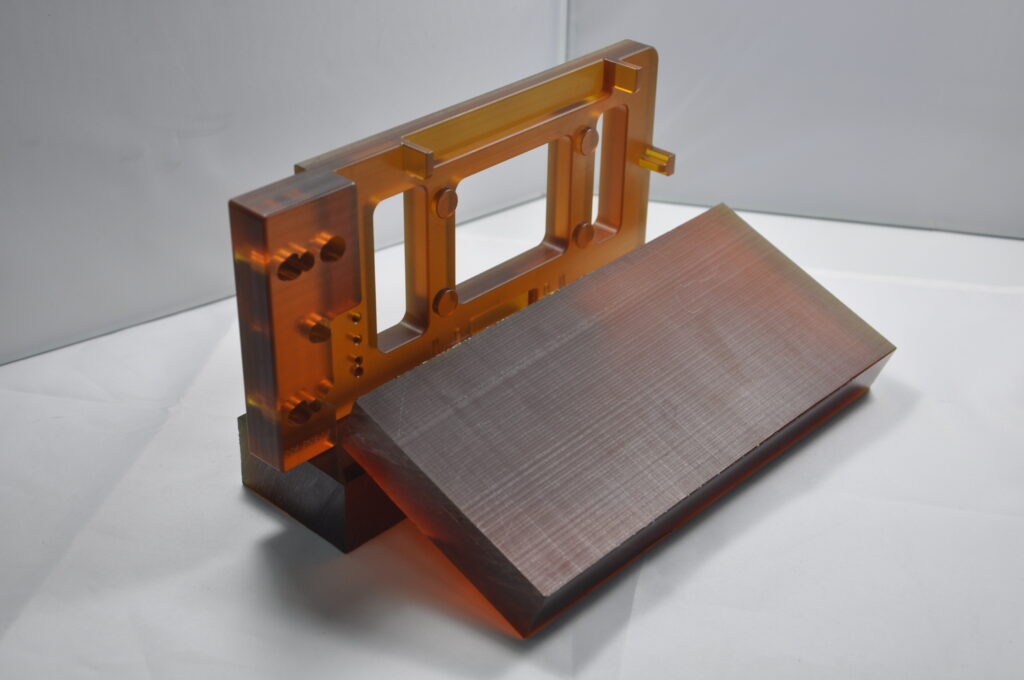
PEI machines cleanly but demands the right parameters. Sharp carbide tools and moderate speeds prevent heat damage that could later show up as stress cracking in the autoclave. In addition, annealed stock relieves molded-in stress before machining. Components such as surgical handles, light guide holders, and instrument frames benefit from a polished surface that resists biofilm attachment and cleans easily.
Furthermore, PEI parts keep their dimensions after many cycles. Tray handles and latch features stay aligned, so closures remain secure. Therefore, devices continue to function correctly throughout their service life. Consistent geometry protects both the instrument and the patient.
For example, maintenance teams should inspect latch wear because plastic spring fingers fatigue slowly.
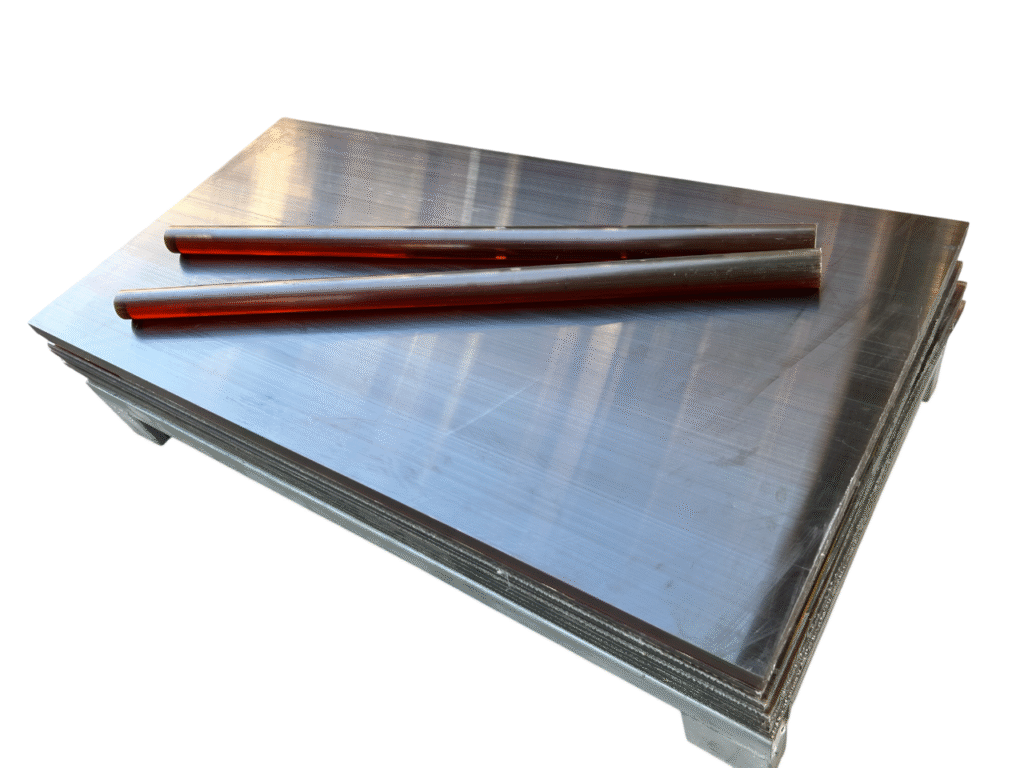
Dimensional stability after machining is excellent because PEI absorbs only about 0.25 percent moisture. Therefore, tight fits between metal and PEI parts remain reliable cycle after cycle. Furthermore, PEI can be bonded or ultrasonically welded where assembly requires it. For low-volume instruments and prototype runs, machining from PEI sheet and rod avoids the high cost of tooling while delivering production-grade material. NAGOMER supplies ULTEM-equivalent PEI stock for medical machining.
Applications and Design Guidance
Typical reusable devices built with autoclavable PEI include laryngoscope handles, dental mirror bodies, laparoscopic instrument grips, and sterilization baskets. The material also appears in anesthesia equipment and surgical power tool housings. In every application, the design should avoid sharp internal corners and thin walls that trap steam. Generous radii and wall transitions reduce stress and lengthen service life.
For example, a growing number of OEMs now offer PEI versions of classic instruments. The material lets them add color coding and ergonomic grips at low cost. Meanwhile, engineers can machine custom parts quickly during development. NAGOMER supports these programs with PEI sheet and rod.
Selecting the right grade is the final step. Transparent PEI grades suit inspection windows, while opaque grades offer higher impact strength. Reinforced PEI adds stiffness for thin structural parts. NAGOMER Engineering Plastics, nagomer.com, helps medical device manufacturers choose autoclavable PEI grades and supplies cut-to-size sheet and rod with full documentation.
Additionally, machined PEI parts should be inspected after sterilization trials. Surface crazing would indicate excessive stress. In contrast, a clean surface confirms the process parameters are correct. Documentation of these trials supports regulatory files.
Designing a reusable medical device? Ask NAGOMER for autoclavable PEI sheet and rod with healthcare-grade documentation. Email info@nagomer.com.