
News Centre
News Type
Send your inquiry
UV Resistance & Outdoor Weathering of Engineering Plastics: What Lasts Outside
How UV Degrades Plastics
UV photons trigger photo-oxidation: polymer chains break, molecular weight drops, and the surface yellows, chalks, and embrittles. Damage concentrates in a thin surface layer, but cracks initiated there propagate under load. The rate depends on polymer chemistry, additives, colour, and climate.
Weathering Performance by Material
Material | Outdoor Performance | Notes |
PVDF | Excellent | No stabilisers needed — decades outdoors |
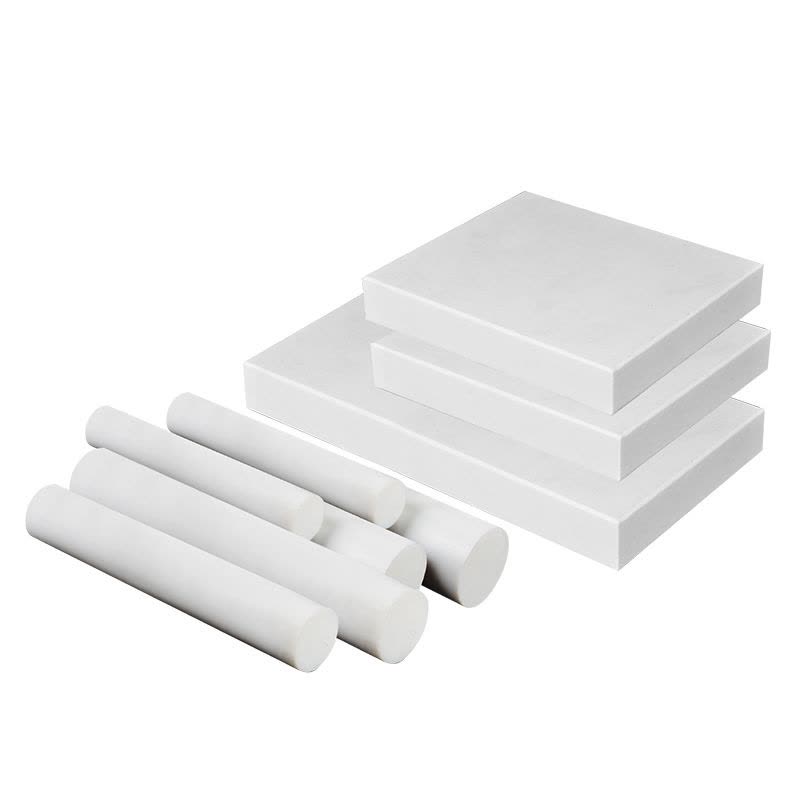
PTFE | Excellent | Inert to UV; ideal for harsh exposure |
PMMA | Excellent | Does not yellow — the outdoor acrylic benchmark |
PEEK | Moderate | Surface chalking over years; mechanical core preserved |
UHMW-PE / PE | Moderate | Chalking; black grades far better |
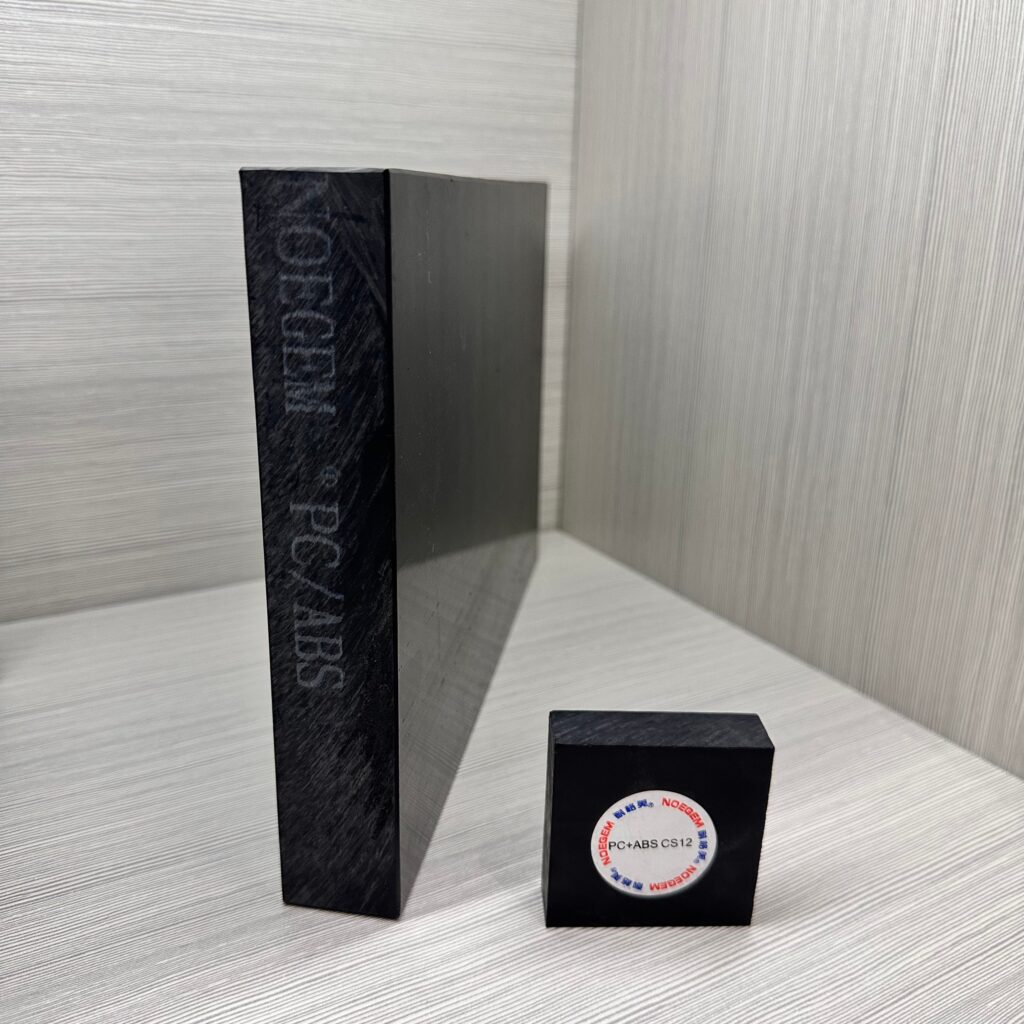
PC | Poor unless UV-stabilised | Yellows and embrittles — use stabilised/co-extruded grades |
POM | Poor | Requires carbon black or co-extrusion outdoors |
PA66 | Poor–Moderate | Yellows; black, stabilised grades acceptable |
ABS | Poor | Rapid degradation — avoid direct sunlight |
Protection Strategies
· Carbon black (2–3%) — the most cost-effective shield; black parts outlast natural ones dramatically
· HALS and UV absorbers — stabilise PA, PP, and PC grades for outdoor duty
· Co-extruded UV caps — a thin weatherable layer over a structural core
· Painting or laminating for aggressive climates
· Design out exposure — shields, orientation, and drainage cut dose dramatically
Testing Before You Specify
Accelerated weathering predicts relative performance: QUV fluorescent testing to ISO 4892 / ASTM G154 and xenon-arc testing to ISO 11341 are the industry standards. Compare retention of impact strength and colour, not just appearance — embrittlement is the real failure mode. For certification context, see our Engineering Plastic Certifications guide.
Climate and Placement Matter
UV dose is not a constant — it varies enormously with geography and installation, and so does degradation rate. The same material that lasts ten years in northern Europe may chalk within three in equatorial high-altitude sites, where thinner atmosphere raises UV intensity. Consider:
· Latitude and altitude — UV intensity rises toward the equator and with elevation
· Orientation — south-facing (northern hemisphere) vertical and sloped surfaces receive far more dose than shaded or north-facing ones
· Indoor placement — window-filtered daylight cuts UV dramatically, extending service life several-fold
· Washing — rain and manual cleaning remove chalking layers and can slow apparent surface degradation
· Condensation and humidity — moisture accelerates the photo-oxidation cycle on susceptible surfaces
The practical takeaway: specify the material against the actual installation site and orientation, not against a generic “outdoor” label. A part hidden under a canopy and a part baking on an open rooftop are engineering for two different climates, and the margin you build into the material choice should reflect that difference.
Related reading: Engineering Plastic Color Options, Engineering Plastic Certifications Explained, and PTFE Sheet Properties.
FAQ
Q1: Which plastic lasts longest outdoors?
PVDF and PTFE lead, followed closely by PMMA. All can serve for decades outdoors without UV stabilisers.
Q2: Is black plastic better for outdoor use?
Usually yes — carbon black is a highly effective UV screen, which is why most outdoor-grade POM, PA, and PE parts are black.
Q3: Can polycarbonate be used outside?
Only UV-stabilised or co-extruded grades. Unstabilised PC yellows and loses impact strength within a few years of direct sunlight.
Q4: How is UV resistance tested?
Most commonly with accelerated QUV (fluorescent UV, ISO 4892-3 / ASTM G154) or xenon-arc (ISO 11341) exposure, measuring colour change, gloss loss, and impact retention.
Q5: Does UV affect mechanical properties or only appearance?
Both — degradation starts at the surface but crack initiation there reduces impact strength and can cause brittle failure under load.
Specifying materials for outdoor duty? Contact NAGOMER for UV-resistant sheets, rods, and stabilised grades tested to international standards.
────────────────────────────────────────
NAGOMER — Professional Engineering Plastics Solutions
www.nagomer.com | info@nagomer.com