
News Centre
News Type
Send your inquiry

HDPE Low Temperature Impact: Cold Storage Guide
HDPE Low Temperature Toughness in Cold Rooms
Most plastics stiffen as the temperature drops. Some become brittle enough to crack on impact, which makes them dangerous in freezers, cold rooms, and outdoor winter equipment. HDPE low temperature behavior is different: the polymer retains ductility far below zero because its molecular structure allows segments to slide under load. Therefore, HDPE parts keep absorbing impact energy when PP, PVC, and many other plastics would shatter.
Furthermore, cold-room shelving and bins also experience thermal shock. Moving parts from -30 degrees to room temperature stresses the material repeatedly. In addition, HDPE absorbs this cycling better than brittle plastics. Designers should test the full temperature range.
Consider a pallet liner sliding in a -30 degree Celsius blast freezer. A brittle plastic tray cracks when a frozen load drops onto it. HDPE, in contrast, deforms rather than fractures at that temperature. Furthermore, the material resists the moisture and cleaning chemicals common in food facilities. For these reasons, HDPE appears throughout cold chains: in trays, liners, dividers, cutting boards, and wear strips that must keep working in the deep cold.
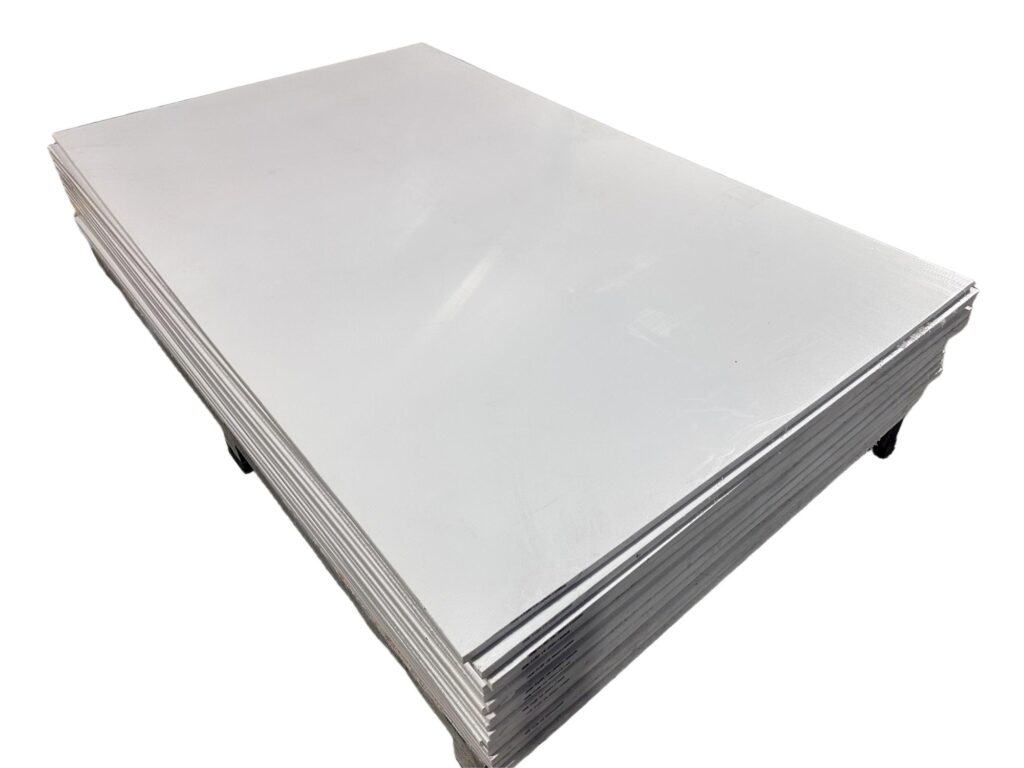
What Data Says About HDPE Cold Impact
Impact tests show the difference clearly. High-density polyethylene maintains a large share of its room-temperature impact strength at -40 degrees Celsius, while many other polyolefins lose most of theirs. The actual values depend on the grade’s molecular weight and density. Higher molecular weight HDPE tends to stay tougher at low temperature, so specifiers should ask for impact-modified or high-MW grades for freezer duty.
Moreover, the welding rod used in repairs must match the sheet grade. A mismatched filler creates a weak joint that fails in the cold. Therefore, fabricators should keep documented material for every project. This avoids surprises during maintenance.
In addition, the failure mode matters more than the number. HDPE parts usually tear or dent under impact rather than shattering into shards. This ductile behavior reduces injury risk and lets the part continue working with a dent that a brittle material could not survive. Therefore, safety-conscious designers in cold environments choose HDPE low temperature grades for anything that can be struck, dropped on, or flexed.
Designing Parts for Freezers and Cold Rooms
Cold design is not only about material selection. Corners concentrate stress, so freezer trays and liners should use generous radii. In addition, thick sections hold their toughness better than thin walls because the heat of processing and the part’s own compliance improve. Fasteners and metal inserts create another risk: metal contracts faster than HDPE, so inserts can loosen or crack the plastic. Designers should allow for differential thermal shrinkage.
In addition, design teams avoid countersunk hardware and molded-in studs in thin liners.
For example, fish processing plants run conveyor guides in freezing rooms. HDPE guide rails keep chains moving without lubrication. Meanwhile, the same material lines ice hoppers and chutes. Its durability justifies the initial cost.
Impact at low temperature also depends on loading rate. A slow creep load behaves differently from a sharp blow. Therefore, parts that see forklift strikes or falling product need thicker walls than parts under steady weight. Furthermore, the operating temperature range must be written on the drawing, because a tray rated for -20 degrees may not survive -40 degrees in a deep-freeze distribution center. NAGOMER advises customers on HDPE low temperature design rules for their exact cold chain.
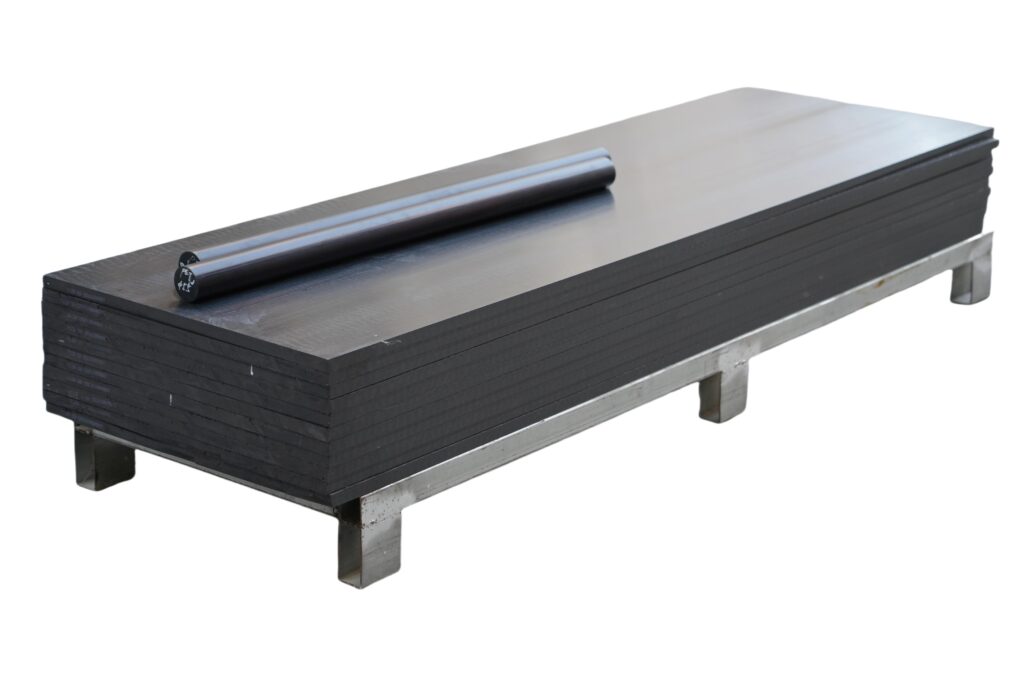
Machining and Fabricating HDPE for Cold Duty
HDPE fabricates easily, which keeps custom cold-storage parts economical. Sheets are CNC routed, sawed, drilled, and welded into trays, bins, and liners. Because HDPE is soft, tooling must be sharp to avoid melting and burrs. Furthermore, parts for food areas should be machined from FDA-compliant natural HDPE and kept clean. For welded assemblies, hot-air or extrusion welding with HDPE filler rod creates strong joints when done correctly.
The low friction of HDPE adds another benefit in cold conveyors. Slide rails and guide strips made from HDPE keep product moving without lubrication even at low temperature, where greases thicken. In addition, the material does not absorb water, so it will not swell or harbor ice damage after repeated thawing. NAGOMER supplies HDPE sheet, rod, and custom-cut parts for cold room builders and food processors.
Moreover, fabricators can thermoform natural HDPE sheet into rounded bin corners. As a result, they avoid sharp inside corners that weaken cold-storage parts.
Where HDPE Outperforms in the Cold Chain
Freezer room shelving liners, pallet trays, blast freezer baskets, and partition panels all run on HDPE. The material also lines ice-making machines and conveyor chutes where product slides at sub-zero temperatures. In distribution centers, HDPE dock bumpers and wear pads absorb impacts in cold loading bays. Furthermore, outdoor winter equipment uses HDPE for snow plow liners and chassis skid plates because of the same low-temperature toughness.
When the whole cold chain is considered, replacing cracked brittle parts with HDPE low temperature components reduces downtime and product damage. NAGOMER Engineering Plastics, nagomer.com, supports cold storage engineers with certified HDPE sheet and rod in FDA and impact-tough grades for demanding freezer applications.
Building parts for freezers or outdoor winter use? NAGOMER supplies HDPE low temperature grades in sheet and rod. Email info@nagomer.com for impact data.