
News Centre
News Type
Send your inquiry
PEEK Orthopedic Implant: Long-Term Performance and Clinical Data
Why PEEK Orthopedic Implant Use Has Grown
Spinal fusion cages, hip liners, and trauma fixation devices have shifted to PEEK orthopedic implant materials over the past two decades. The implant class covers hundreds of device families cleared by FDA and CE-marked in Europe. The material offers a modulus closer to bone than metal, radiolucency for imaging, and proven biocompatibility. Moreover, the long-term clinical data now extends beyond 15 years for many applications.
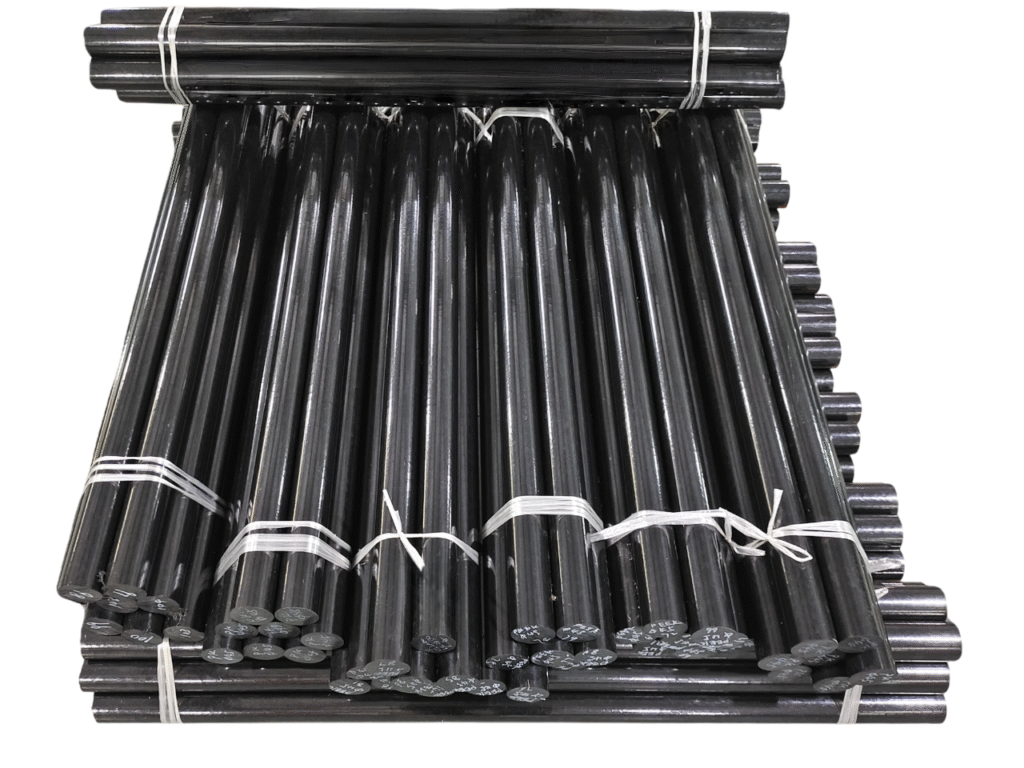
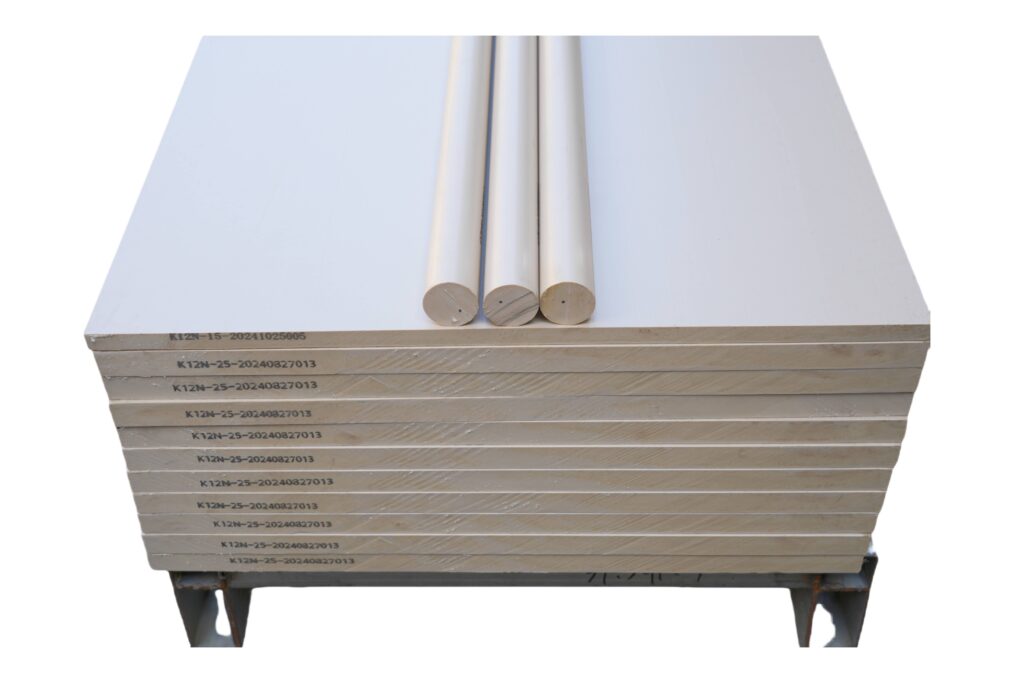
The success of PEEK in this field rests on the balance of properties. The polymer has a modulus around 3 to 4 GPa, close to cortical bone. Metal implants at 100 to 200 GPa create stress shielding that causes bone resorption. PEEK allows more physiological load transfer. Furthermore, the radiolucency of PEEK allows clear imaging of bone healing without the artifacts from metal implants. NAGOMER supplies medical-grade PEEK rod and sheet stock for implant manufacturers.
In addition, the fatigue resistance of PEEK handles the cyclic loading in orthopedic applications. The polymer withstands 10 million or more load cycles at physiological stress levels. The creep resistance at body temperature is adequate for static and dynamic load applications. Implant components maintain their dimensions and mechanical properties over decades of service. Therefore, this material continues to expand into new orthopedic applications as long-term clinical data validates the polymer across multiple device categories. Moreover, the regulatory framework is well established across major markets. Furthermore, the manufacturing infrastructure has matured significantly over the past decade. Moreover, the regulatory framework for PEEK orthopedic implant approval is well established across major markets. Furthermore, the manufacturing infrastructure for PEEK orthopedic implant components has matured significantly over the past decade.
Spinal Fusion Cage Applications
PEEK spinal fusion cages dominate the interbody device market. The implant family in spine includes cervical and lumbar interbody cages, vertebral body replacement devices, and posterior stabilization components. The cages provide immediate structural support while bone graft material achieves fusion. The radiolucent PEEK allows clear visualization of fusion progress on X-ray and CT imaging.
Clinical follow-up data from 10 to 15 years shows fusion rates of 85 to 95 percent with PEEK cages. Complication rates including subsidence, migration, and pseudoarthrosis compare favorably to allograft bone and titanium alternatives. Moreover, the reduced stress shielding with PEEK preserves bone density adjacent to the implant. Recent developments include porous PEEK and surface-modified PEEK that promote bone ongrowth. NAGOMER supplies medical-grade PEEK meeting ASTM F2026 for implant manufacturers.
Furthermore, the machinability of PEEK allows complex cage geometries with precise tolerances. The cages often feature serrated surfaces, graft windows, and tapered profiles. CNC machining from extruded PEEK rod produces consistent parts for clinical use. In addition, the sterilization methods for these devices include gamma irradiation, ethylene oxide, and autoclave. Each method has been validated for the implant family. Therefore, PEEK spinal cages continue to gain market share as clinical evidence accumulates and manufacturing technology advances. Additionally, the surface modification technology has advanced clinical outcomes. Furthermore, the porous structure variants support bone ingrowth in fusion applications. Additionally, the surface modification technology for PEEK orthopedic implant components has advanced clinical outcomes. Furthermore, the porous structure variants support bone ingrowth in fusion applications.
Hip and Joint Replacement
PEEK hip liners entered the market as an alternative to polyethylene. The wear rate of PEEK against ceramic or metal heads is competitive with cross-linked polyethylene in laboratory testing. However, clinical adoption has been limited by the success of cross-linked UHMWPE. The use in hip arthroplasty remains a niche, primarily in younger patients where the radiolucency helps monitor wear.
In finger joint and small joint replacements, PEEK has found wider application. The radiolucency and biocompatibility of PEEK suit these smaller devices well. Furthermore, trauma applications including bone plates and screws use PEEK for specific indications. The absorbable nature is not yet fully realized in PEEK, but the radiolucency and bone-like modulus provide clinical benefits in non-permanent fixation. NAGOMER supplies PEEK rod stock for these machining operations.
In addition, the market includes cranial implants for neurosurgical reconstruction. Patient-specific cranial implants are machined from PEEK block based on CT scan data. The radiolucency allows post-operative imaging to monitor healing. The strength of PEEK protects the brain from external impact. Furthermore, the cosmetic outcome with PEEK cranial implants is excellent. As a result, this material has become a standard for patient-specific implants in craniomaxillofacial reconstruction worldwide. Moreover, the modular design approach allows surgeons to tailor the procedure to patient anatomy. Additionally, the imaging compatibility supports post-operative monitoring without artifacts. Moreover, the modular design approach using PEEK orthopedic implant components allows surgeons to tailor the procedure to patient anatomy. Additionally, the imaging compatibility of PEEK orthopedic implant materials supports post-operative monitoring without artifacts.
Biocompatibility and Regulatory Status
Implant grades comply with ISO 10993 and USP Class VI biocompatibility requirements. The material has been tested extensively for cytotoxicity, sensitization, irritation, and genotoxicity. The standard medical-grade formulation is Victrex PEEK 450G or equivalent. The regulatory pathway is well-established. Many device master files reference the same PEEK base material, which simplifies the FDA 510(k) submission for new device designs.
The ASTM F2026 standard covers PEEK polymers for surgical implant applications. The standard specifies the raw material requirements including molecular weight, residual monomer content, and extractables. Furthermore, ASTM F2759 covers the test methods for characterizing PEEK. The European market uses the same PEEK base material under various device-specific CE marks. NAGOMER supplies PEEK that meets these standards for implant manufacturers worldwide.
Additionally, the regulatory pathway for orthopedic materials includes drug master files and device master files. The same base resin grade can support multiple device applications. This shared regulatory foundation reduces the time and cost of bringing new devices to market. In addition, post-market surveillance data for PEEK continues to support the safety and effectiveness profile. Therefore, the established regulatory framework accelerates new device development and clinical adoption. Furthermore, the test methods continue to evolve with clinical experience. Additionally, the global regulatory harmonization accelerates market access. Furthermore, the test methods for PEEK orthopedic implant materials continue to evolve with clinical experience. Additionally, the global regulatory harmonization for PEEK orthopedic implant approvals accelerates market access.
Recent Developments and Future Directions
The orthopedic implant field continues to evolve. Surface modification with titanium or hydroxyapatite coatings improves bone ongrowth. Porous PEEK structures created by selective laser sintering or machining provide better initial fixation. Carbon fiber reinforced PEEK (CFR-PEEK) offers higher stiffness for load-bearing applications. The CFR-PEEK modulus reaches 12 to 18 GPa, which suits spinal rods and other structural applications.
Antibacterial PEEK with silver or copper additives addresses infection risk in revision surgery. The controlled release of metal ions prevents biofilm formation on the implant surface. Furthermore, 3D printing of patient-specific PEEK implants allows customized geometries for complex reconstructions. NAGOMER supplies standard medical-grade PEEK and works with manufacturers on emerging material requirements for new device designs.
Looking ahead, the combination of PEEK with bioresorbable materials opens new possibilities. Hybrid implants use PEEK for immediate structural support and bioresorbable components for gradual load transfer. The orthopedic category will continue to expand as these advanced material combinations reach clinical use. Therefore, medical-grade PEEK remains a critical material for device manufacturers developing next-generation products with improved clinical performance and patient outcomes. Moreover, the surface treatment options address specific clinical challenges. Additionally, the combination products with biologics open new therapeutic possibilities. Moreover, the surface treatment options for PEEK orthopedic implant components address specific clinical challenges. Additionally, the combination products using PEEK orthopedic implant materials with biologics open new therapeutic possibilities.
NAGOMER supplies medical-grade PEEK rod and sheet stock for orthopedic implant manufacturers. Contact info@nagomer.com for compliance documentation and technical data.