
News Centre
News Type
Send your inquiry
Engineering Plastic Surface Finish Options: Polishing, Milling, & More
Surface Roughness (Ra) Guide
Ra Range (μm) | Finish Type | Description |
0.1 – 0.4 | Mirror/polished | Reflective surface |
0.4 – 0.8 | Fine polished | Smooth, slight reflection |
0.8 – 1.6 | Fine milled | Smooth to touch |
1.6 – 3.2 | Standard milled | Typical CNC finish |
3.2 – 6.3 | Rough milled | Visible tool marks |
Surface Finish Options
1. CNC Milled (Standard) — Ra 0.8-3.2 μm
Default finish from CNC machining. Cost: included in machining price. Suitable for all engineering plastics.
2. Fine Milled — Ra 0.4-0.8 μm
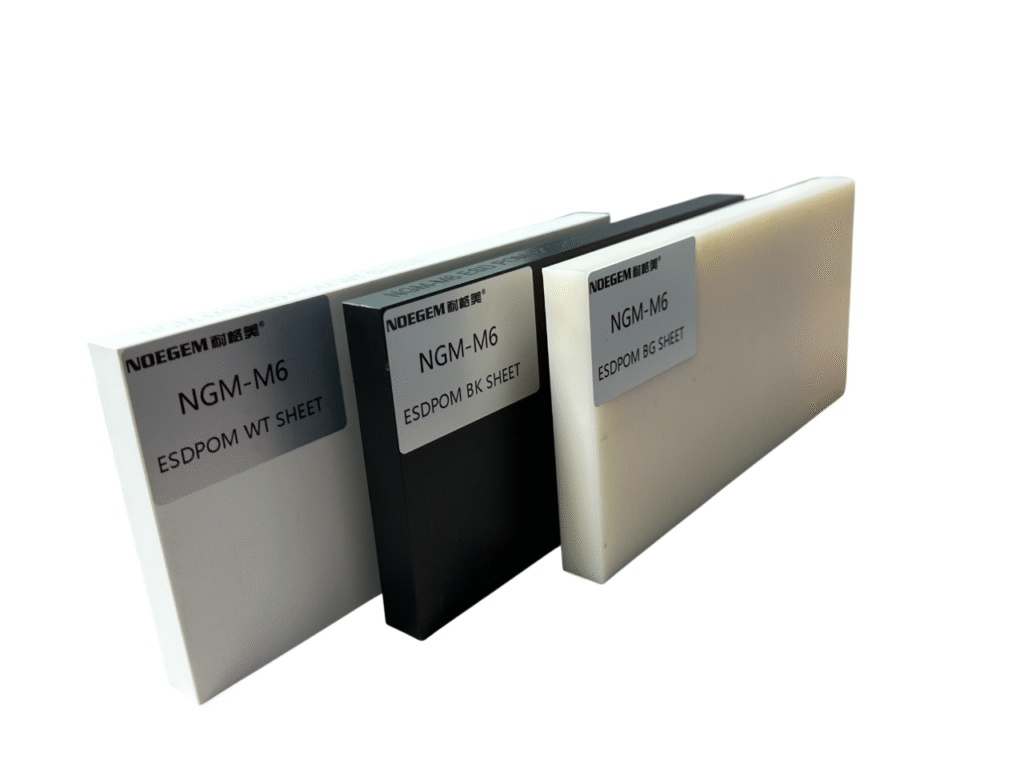
Achieved with sharp carbide tools, high spindle speeds. Cost: +10-20%. POM achieves best milled finish; PPS GF40 is more difficult.
3. Polished — Ra 0.1-0.4 μm
Mechanical polishing with progressive abrasives. Cost: +30-60%. Best for medical devices and optical components. PEEK and POM polish well; glass-filled PPS is difficult.
4. Flame Polished — Ra 0.2-0.6 μm
Controlled flame melting. Cost: +15-30%. Best for POM. Not suitable for PEEK or PEI (thermal degradation risk).
5. Bead Blasted — Ra 1.0-3.0 μm
Fine beads create uniform matte texture. Cost: +10-15%. Best for aesthetic uniform finish.
6. Brushed — Ra 0.6-1.5 μm
Directional abrasive brushing. Cost: +15-25%. Specify brush direction in drawings.
How Surface Finish Affects Performance
· Friction & wear: Smoother surfaces reduce friction. Target Ra < 0.8 μm for bearings
· Cleanability: Smoother surfaces are easier to clean — critical for food/semiconductor
· Fatigue resistance: Polished surfaces improve fatigue life by 20-30%
Material-Specific Notes
· PEEK: Polishes to Ra 0.1-0.4 μm. Avoid flame polishing (degrades)
· POM: Easiest to polish. Flame polishing produces excellent results
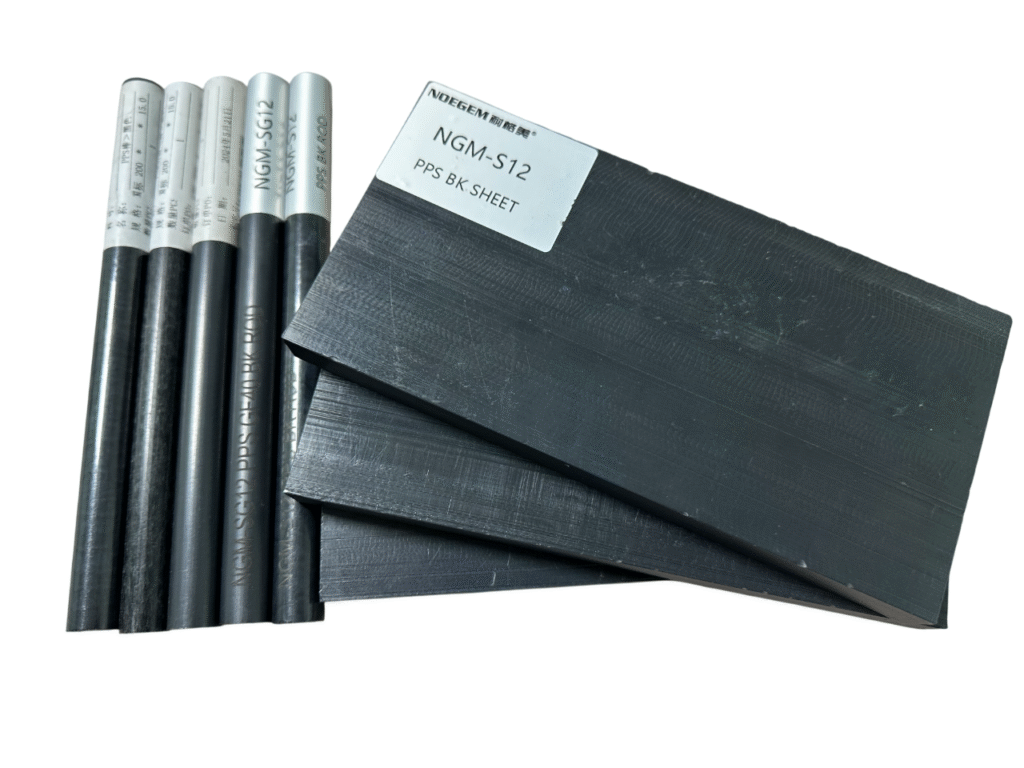
· PPS GF40: Exposed glass fibers prevent smooth finish. Fine milling is best achievable
· PEI: Polishes to amber translucent finish
FAQ
Q1: Best finish for engineering plastic parts?
Standard CNC for functional parts (Ra 0.8-3.2 μm). Polishing for low-friction/aesthetic (Ra 0.1-0.4 μm). POM polishes easiest.
Q2: Can PEEK be polished?
Yes, mechanically to Ra 0.1-0.4 μm. Avoid flame polishing — PEEK degrades at high temperatures.
Q3: How does surface finish affect performance?
Smoother surfaces reduce friction, improve cleanability, and increase fatigue life by 20-30%.
Ready to source quality engineering plastics? Contact NAGOMER today for a free quote, or browse our PEEK sheets, POM rods, and ESD materials.
NAGOMER — Professional Engineering Plastics Solutions
www.nagomer.com | info@nagomer.com