
News Centre
News Type
Send your inquiry
Plastic Material Safety Data Sheet (MSDS/SDS): Understanding Compliance
What is a Safety Data Sheet (SDS)?
An SDS is a standardized document providing information about a material’s hazards, safe handling procedures, storage requirements, and emergency measures. The Globally Harmonized System (GHS) defines a 16-section format used internationally:
1. Identification
2. Hazard identification
3. Composition/information on ingredients
4. First-aid measures
5. Fire-fighting measures
6. Accidental release measures
7. Handling and storage
8. Exposure controls/personal protection
9. Physical and chemical properties
10. Stability and reactivity
11. Toxicological information
12. Ecological information
13. Disposal considerations
14. Transport information
15. Regulatory information
16. Other information
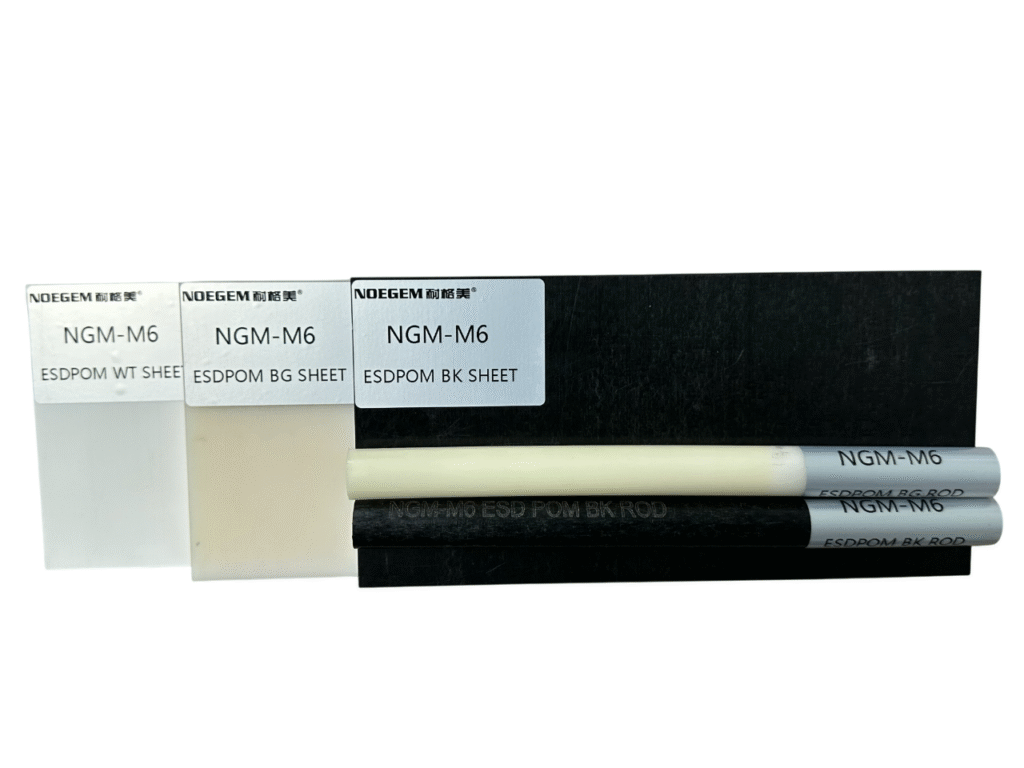
SDS for Engineering Plastics: Key Sections
Section 2: Hazard Identification
Most engineering plastics in their finished (solid) form are classified as non-hazardous under GHS criteria. PEEK, POM, PPS, PEI, and PA66 sheets/rods are inert solids that do not pose significant health risks in normal handling.
However, during machining, plastic dust and particles may present:
· Mechanical irritation: Dust can irritate eyes and respiratory tract
· Combustion hazards: At high temperatures, decomposition products may be toxic
Section 8: Exposure Controls
Machining engineering plastics generates particulate matter. Recommended exposure limits:
Material | PEL (OSHA) | TLV (ACGIH) |
PEEK dust | 15 mg/m³ (total) | 10 mg/m³ (inhalable) |
POM dust | 15 mg/m³ (total) | 10 mg/m³ (inhalable) |
PPS dust | 15 mg/m³ (total) | 10 mg/m³ (inhalable) |
PA66 dust | 15 mg/m³ (total) | 10 mg/m³ (inhalable) |
Use local exhaust ventilation during machining operations.
Section 10: Stability and Reactivity
Engineering plastics are generally stable under normal conditions. Key thermal decomposition data:
Material | Decomposition Temp (°C) | Hazardous Products |
PEEK | >500 | NOx, HBr (if brominated) |
POM | >230 | Formaldehyde |
PPS | >490 | SOx, NOx |
PEI | >500 | NOx, CO |
PA66 | >300 | NH3, NOx, CO |
POM requires special attention — its decomposition temperature (230°C) is relatively low, and decomposition produces formaldehyde, a known carcinogen. Proper ventilation is critical when machining POM at high speeds.
Regulatory Compliance Frameworks
REACH (EU)
REACH (Registration, Evaluation, Authorisation and Restriction of Chemicals) requires manufacturers to register chemical substances. Engineering plastics as “articles” (solid objects) generally do not require registration, but substances of very high concern (SVHC) must be disclosed if present above 0.1% by weight.
Request a REACH compliance declaration from your supplier. NAGOMER provides REACH declarations for all product lines.
RoHS (EU/China)
RoHS restricts hazardous substances (lead, mercury, cadmium, hexavalent chromium, PBB, PBDE, DEHP, BBP, DBP, DIBP) in electrical and electronic equipment. Engineering plastics used in electronic applications require RoHS compliance certificates.
FDA (US)
For food-contact and medical applications, FDA compliance requires that the base polymer and any additives are on the FDA’s list of approved substances. Natural PEEK meets FDA requirements for repeated food contact.
Proposition 65 (California)
California’s Prop 65 requires warnings for chemicals known to cause cancer or reproductive harm. Most engineering plastics do not contain listed chemicals, but verify with your supplier for specific grades.
How to Request and Verify an SDS
1. Request the current SDS (should be dated within the last 3 years)
2. Verify the 16-section GHS format is complete
3. Check the manufacturer information in Section 1
4. Confirm the material grade matches your purchase order
5. Review Section 2 for hazard classification
6. Check Section 15 for applicable regulations
7. Store SDS documents in an accessible location for workplace safety
FAQ
Q1: What is the difference between MSDS and SDS?
MSDS is the older term; SDS is the current GHS-compliant term. SDS follows a standardized 16-section international format.
Q2: Are engineering plastics hazardous materials?
Solid engineering plastics are generally non-hazardous. However, machining dust and thermal decomposition products may pose health risks.
Q3: What is REACH compliance for engineering plastics?
REACH requires disclosure of SVHC substances above 0.1% by weight. Request a REACH compliance declaration from your supplier.
Ready to source quality engineering plastics? Contact NAGOMER today for a free quote, or browse our PEEK sheets, POM rods, and ESD materials.
NAGOMER — Professional Engineering Plastics Solutions
www.nagomer.com | info@nagomer.com